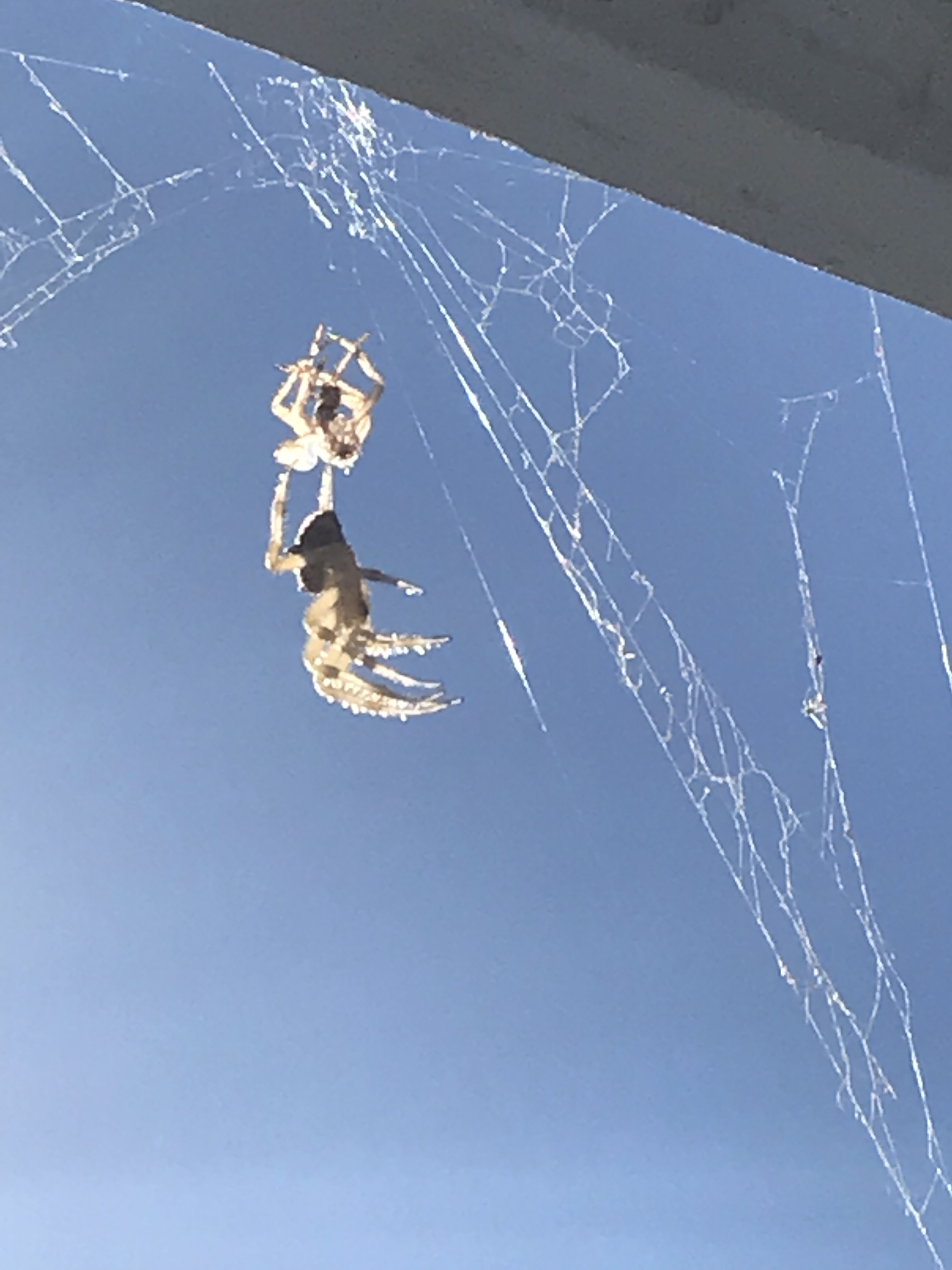
determination!
survival, come snow or ice
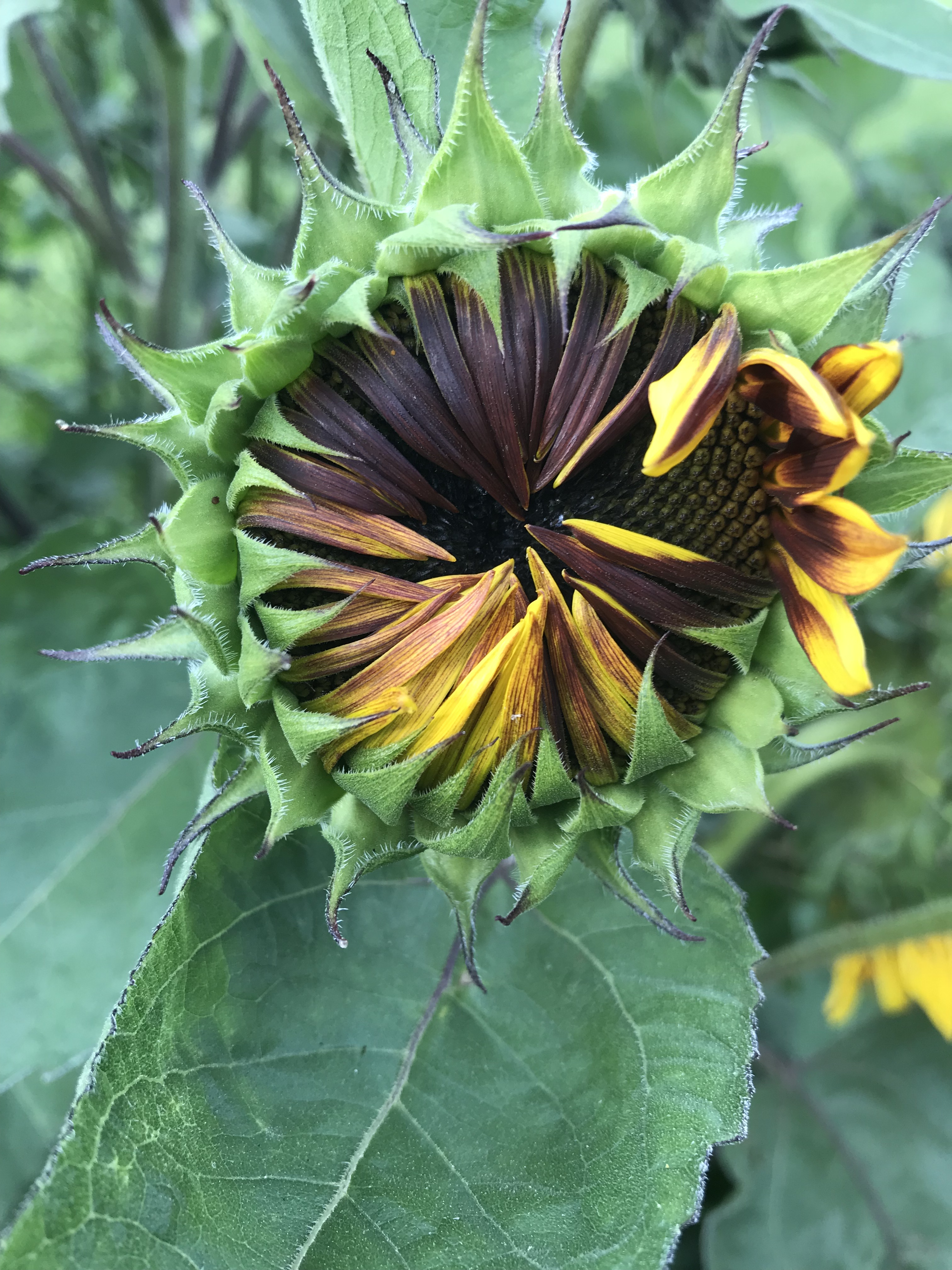
rejoice, pretty ones
survival by Angie Quantrell

determination!
survival, come snow or ice
rejoice, pretty ones
survival by Angie Quantrell

winter winds blow brisk
dark skies strip warmth, steal hope, joy;
remember summer
hold tight, my dear ones
bundle and cocoon yourself,
summer will return
Haiku and photo by Angie Quantrell

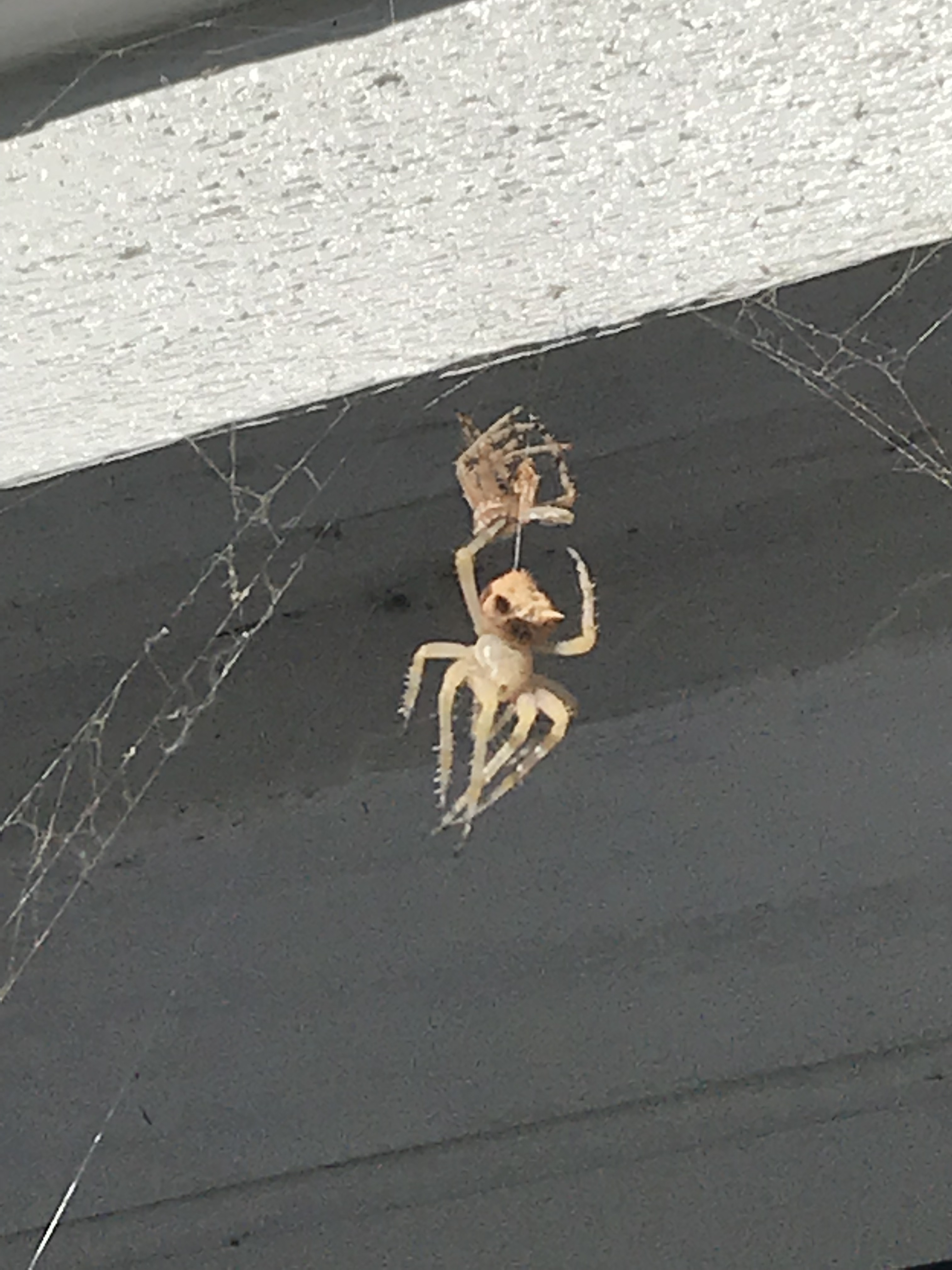
tight, binding, seamless
stretches, swells, cracks wide open
crawl out with new skin
new skin by Angie Quantrell

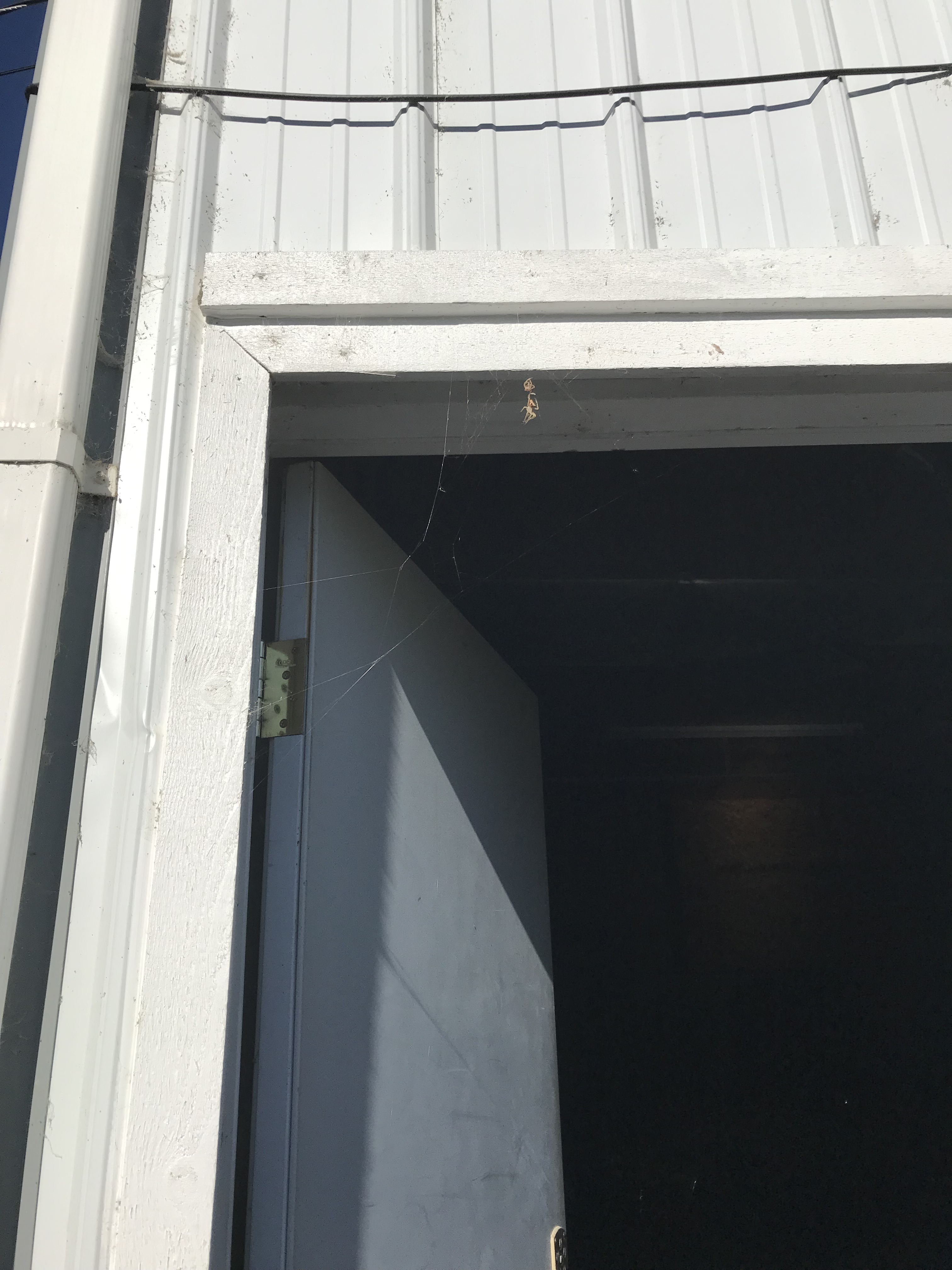
*Meet Taylor’s pet cat-faced spider. All legs on deck to help with pest control.


mystery black holes
bright eyes peek out . . . who goes there?
old wood frog hotel

frog hotel by Angie Quantrell
#scenesfromthepasture

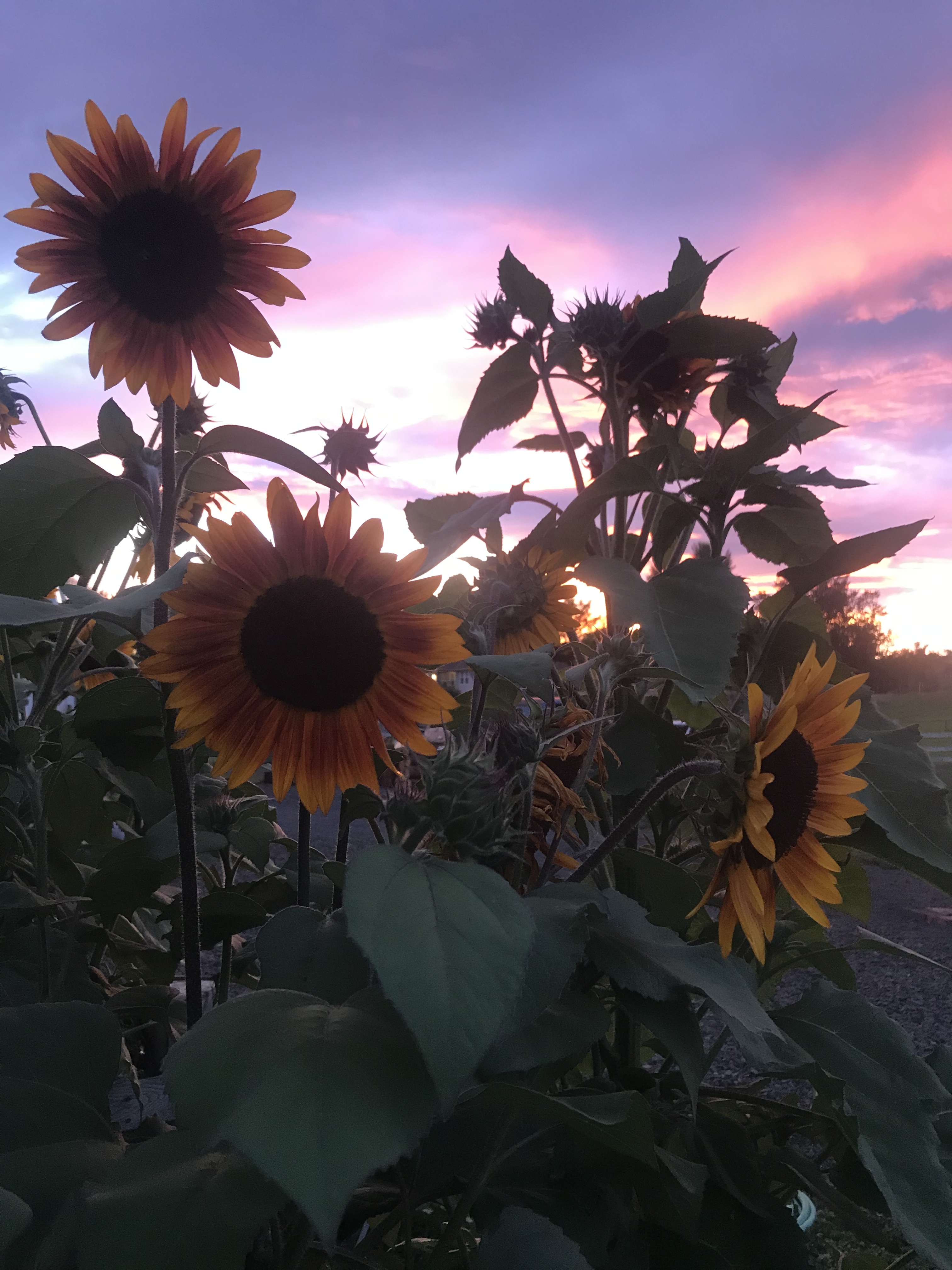
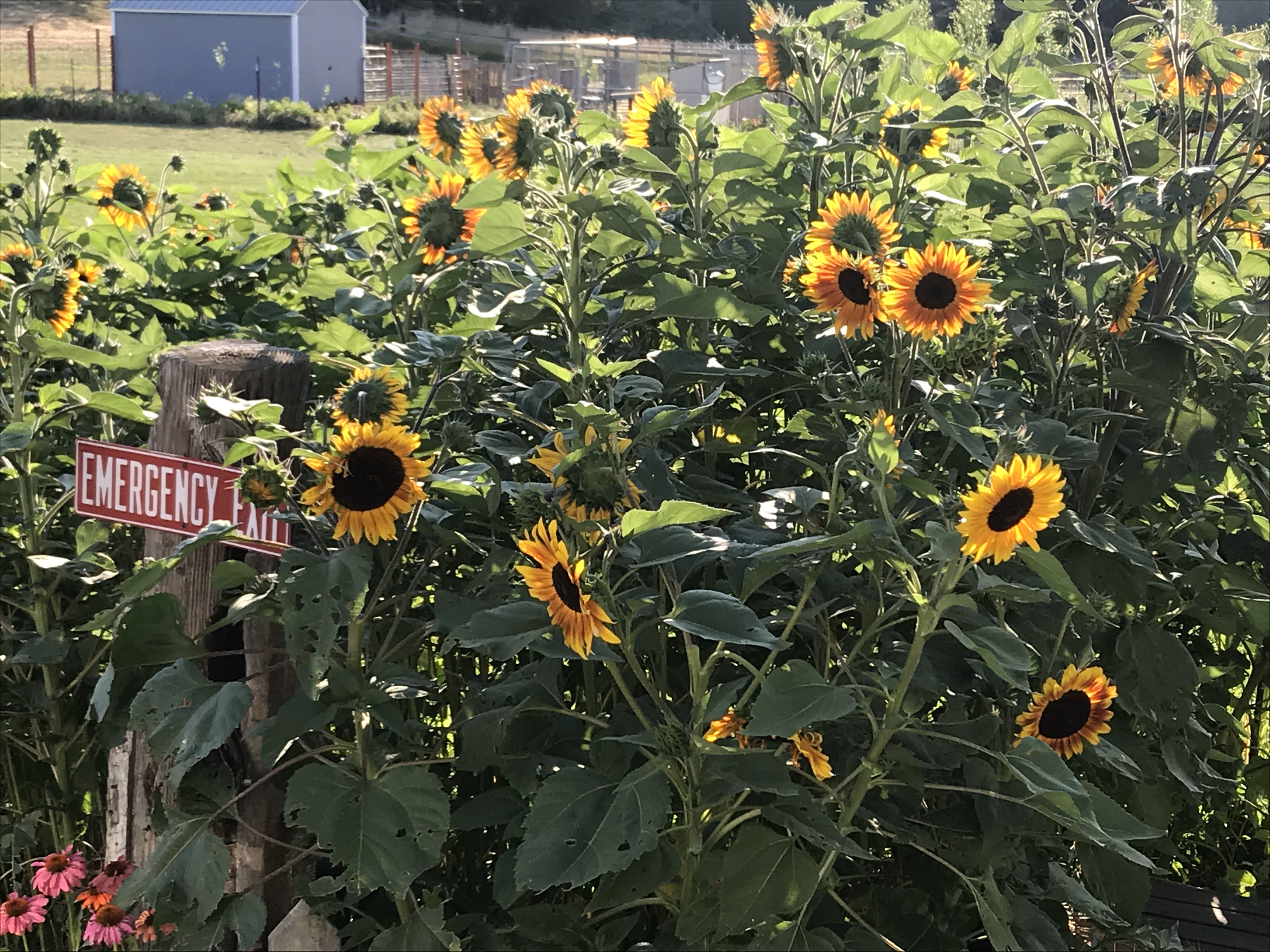
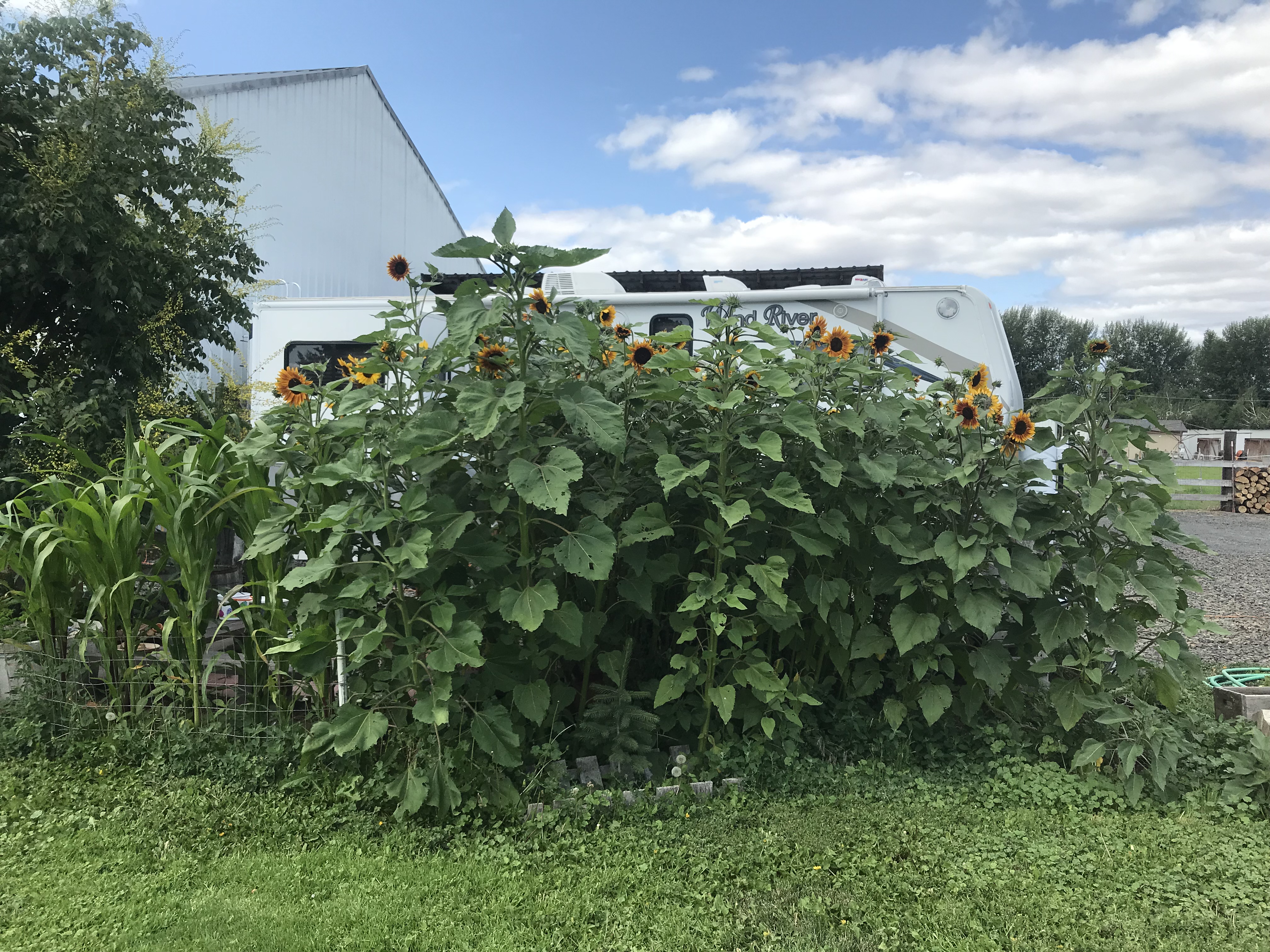
We have a Sunflower Forest.
Not intentionally, but as happenstance. Last year, I planted sunflowers. This year, the birds planted sunflowers (leftovers from their grazing and dropping last year). I love my Sunflower Forest. It really does resemble a forest with all its many layers, shadows, heights, and wildlife.

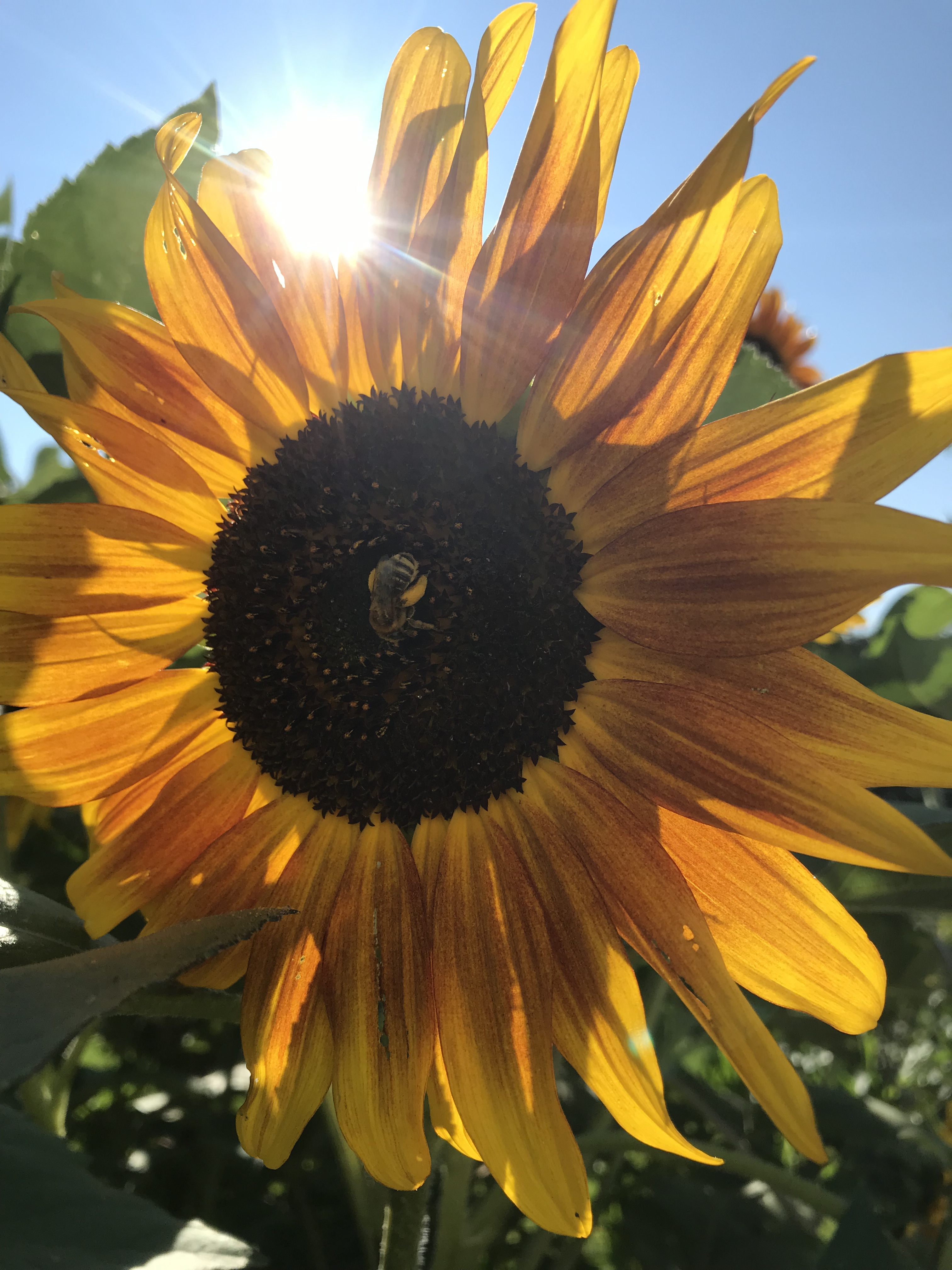
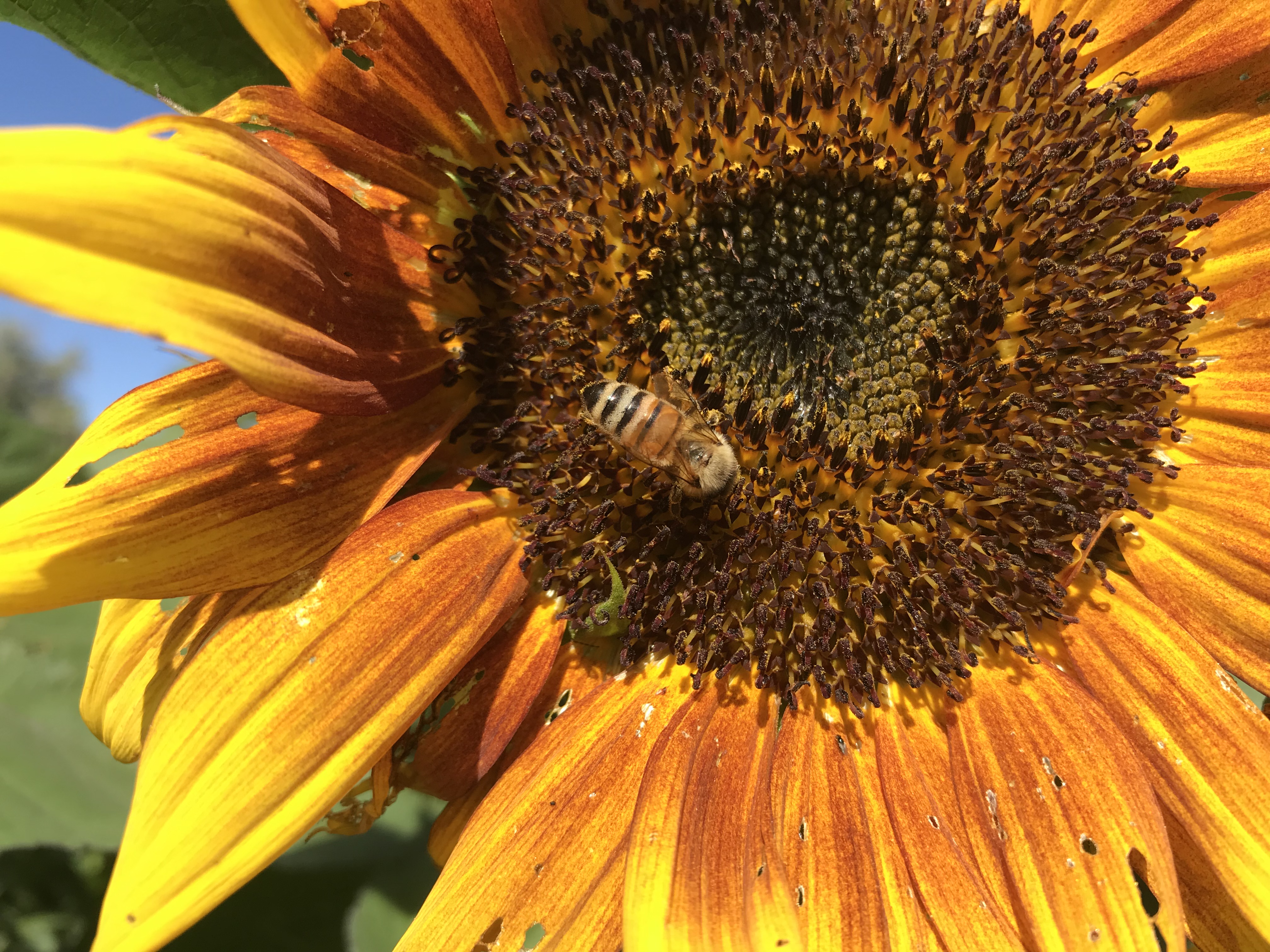
Just this morning, I was again (and again) gazing out the window to enjoy the peeping antics of goldfinch families. They flit, flirt, fight, and feed throughout the Sunflower Forest. Swarms of bees, many varieties, wasps, and other flying hungry insects buzz and float around the Forest, a veritable cloud of life shifting back and forth. I don’t need a fish tank for gazing and relaxing. I can sit on the deck and watch visitors enjoy the Forest. Relaxation and entertainment all wrapped into one ball of delight.

It’s interesting how our brains work, those miracles of human technology. Thoughts and ideas zip and zing along brain pathways so fast I often find myself wondering How did I get to that thought from this?
Take ecosystems. As I watched the Sunflower Forest with rapt enjoyment, I realized it was an ecosystem in its own right. Our Forest is approximately 25-foot-square, give or take a straggler standing tall along the edges. The top height is at least 15-feet, well as tall as the RV, which rests high atop tires and tire stops. That’s plenty of ecosystem space for the myriad of wildlife I see every day.

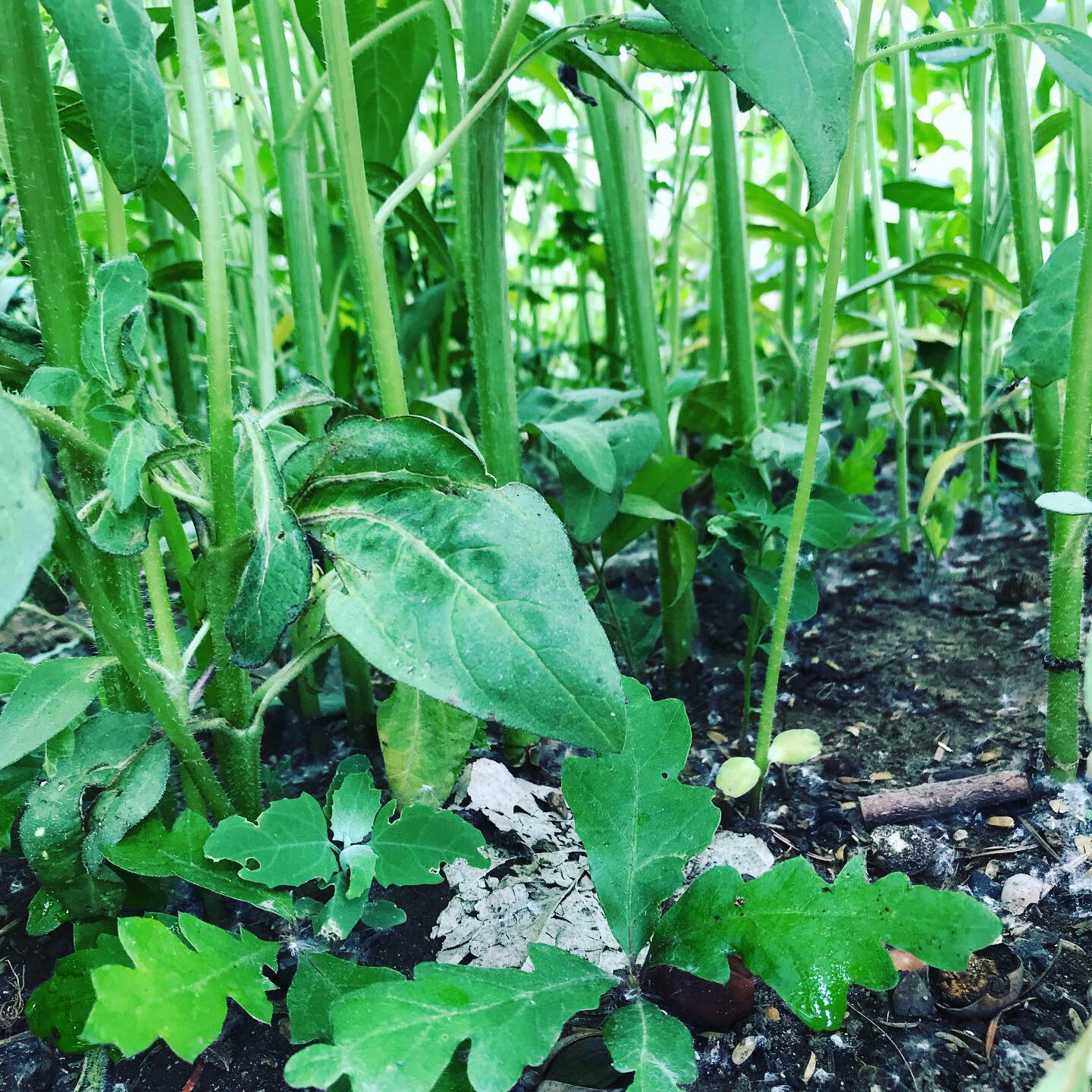
The Undergrowth (Forest Floor):
I’m so excited about this level of the Sunflower Forest. Baby oak trees have sprouted from last year’s planting of numerous (I mean NUMEROUS) acorns I brought back from my cousin’s house. I love science activities and free exploration and invited my grands to play at will. They did. Played and planted. Baby oaks have been discovered in very surprising places!
Other nature on display in the undergrowth layer: weeds (of course), ants, spiders, worms, earwigs, beetles, frogs, millipedes, roly polys, mystery bugs, snails, grasshoppers, and cats. Our cats LOVE hiding in the Sunflower Forest.

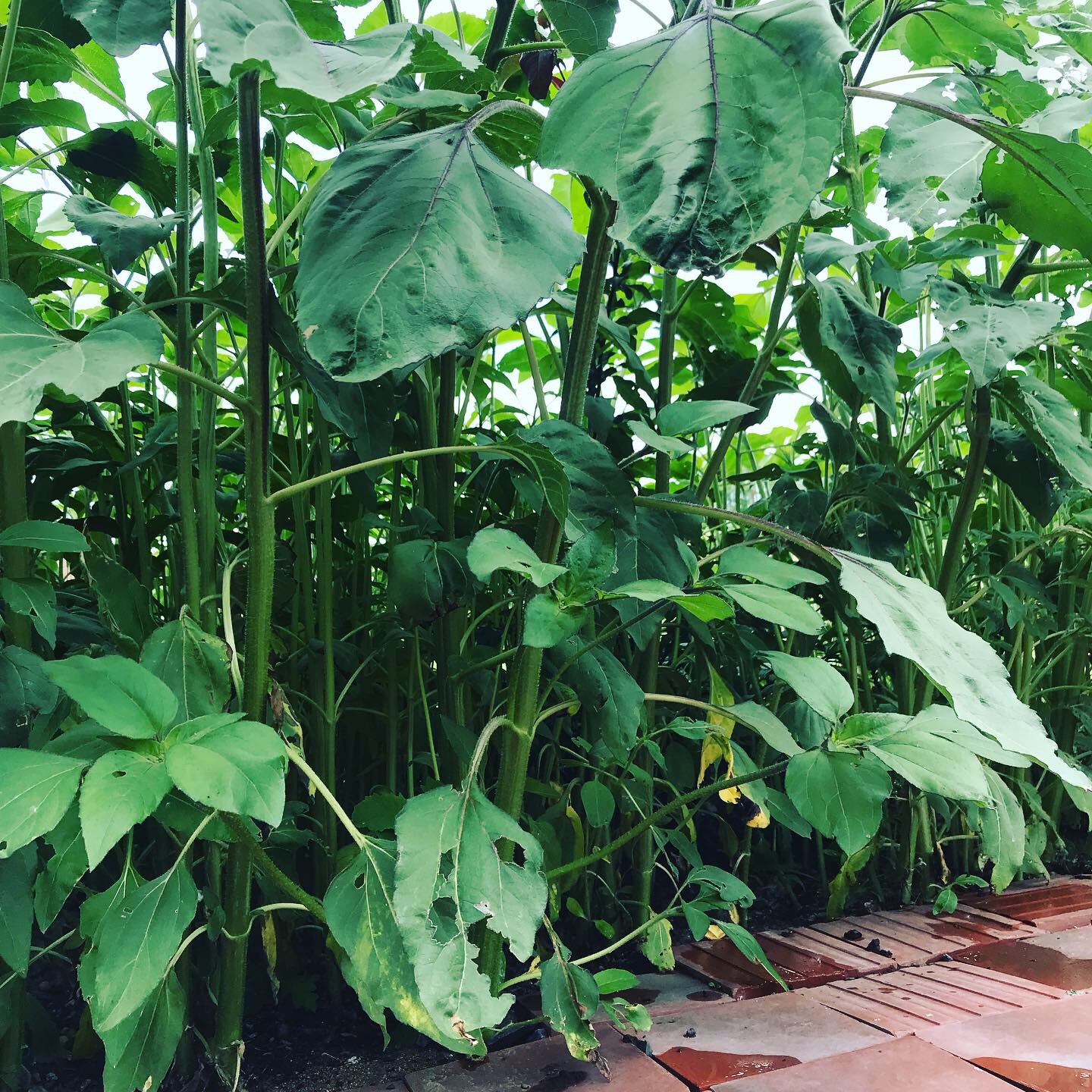
The Understory:
In the Sunflower Forest, the understory is crammed full of bamboo-like stalks, mottled leaves, dappled light, and fluttering life. I imagine myself small, wandering amidst the trunks of sunflower trees, climbing too high for my own good. Tall weeds populate this layer, plentiful, but not enough to trouble sunflower trees. Anything that creeps, climbs, and flies traverses the Sunflower Forest understory.

The Canopy:
The majority of my sunflower trees litter this layer with bright blossoms, wilted petals, and plump seeds. This is where the action is! Goldfinches love the canopy of bright yellow, fragrant and fruitful. Before the seeds were ready, nearly as soon as the first few yellow faces opened to the sun, goldfinches made forays into the canopy, checking to see if food was available. They didn’t stay long, since seeds were not even pollinated yet. But now? Layers of unopened buds, fully exposed golden orbs, droopy petals, green seeds, and ready-to-go seed buffets lure our state bird (Washington, goldfinch) by the droves. I love the families, fledglings peeping loudly and shuffling their feathers, waiting for mama or daddy to bring the seeds to them. Parents, proud and busy, race to pop seeds into open mouths. Several males pop in, notice each other, and fight for feeding rights. Never fear, my little finches, plenty for all.
Also seen in the canopy layer: red-winged blackbirds, sparrows, finches, butterflies, spiders, yellow jackets, and multiple varieties of bees and flies.

The Emergent Layer:
I hadn’t thought much about this layer, the very tip top of the forest and everything above. Until this morning, still observing the finches, I noticed the shadow of a fledgling hawk pass across the top of the Sunflower Forest. Aha! Besides the very tallest of sunflower trees and nearby ornamental corn, our emergent forest layer is filled with other wildlife. The hawks (two parents and the tween), crows, starlings, magpies, and geese regularly putz back and forth above our heads. The only ones we all keep sharp eyes on are the hawks, of course. Hunters they are, and Junior is especially attached to our pasture, nearby power lines, and a few strategic trees. I can only guess how many friends have met their end as he learns to fly, land, and hunt.

So there you have it. The Sunflower Forest and its ecosystem. I’m sure your garden, yard, or field has yet more exciting nature (flora and fauna) inhabiting the different layers. Take a look. Grab that cup of tea or coffee and sit for a bit. Who do you see in the different sections of your ecosystem?

poised, hunting, ready;
snow melts, rodents rise, meals live-
planning snack attack
snack attack by Angie Quantrell

The snow has indeed melted, though not all of it. Snacks appear, bursting from earth, leaping into the jaws of death. Cat treats for Monet.
The evidence is all around us.
Happy first day of spring! What signs do you see?

My little girl, Annabelle! How she loved the garden and being outside and snuggles on my lap. I miss her mama personality. As you can see, Anna Banana owned the garden. The house. The yard. The couch. The bed. The chair. As any true cat does.

This Throwback Thursday flings us back to when we first started a little kitchen garden in our old house. This triangle plot used to be cement. TOTAL concrete. Ugh! After my honey worked his fingers to the bone removing icky cement, I went right to work, planting tiny rows of radish, lettuce, beans, peas. We added flowers, parsley, thyme, and even strawberries. And every year, I continued to remove bits of broken concrete that worked its way to the surface.

It bloomed, grew, produced, this little potager, and gave me hours of pleasure. It also transformed over time to include a fence (to keep tiny grands from trampling tender shoots), blueberries, a host of insects and pests, and a wide variety of vegetable experiments and floral specimens. The very best year of production was when our neighbor found and homed a swarm of honeybees. Oh, did we miss those bees when he moved!
Do you have a potager? A secret garden? A weed patch?
I’d love to hear.

Image from Pixabay.com
Irony (noun)
2 a (1): incongruity between the actual result of a sequence of events and the normal or expected result (Merriam-Webster, 2019)
There are three options for rescuing neglected metal clothesline poles. Not the wimpy aluminum, bendy sort; but the solid, steel, withstand heavy-duty sleeping bags and families of wet jeans type.
I watch for these opportunities. For case 1 and 2, the clothesline poles are clearly not in use. Besides the lack of actual line strung between poles, each one of the poles in on opposite sides of a 6-foot fence. This is not conducive to the drying of clothes.
For case 3, the location of said poles is just off a parking lot, in the middle of, well, basically nowhere.
None of these clothesline poles are being used, when in fact, they would all be happy in my neck of the woods. I would be quite overjoyed to adopt a set of metal twins and bring them into my family.
I tell you this, but the man is not so sure we should knock on the door of individuals we do not know and ask for permission to dig up, haul, and relocate said harbingers of summer laundry season.
Here’s the irony.
In the backyard of our lower valley home, we had THE best clothesline. It served us well for many years. Until we sold our home and moved north. One doesn’t know to take along the clothesline. For future want.
Several years and moves later, we lived in an older home with a postage stamp backyard. No clothesline. Et voila! Our son and daughter-in-law, having purchased a home with some space, were the owners of a set of clothesline poles. Unneeded clothesline poles. How that can be true, I have no idea. But at that time, it was true.
We were gifted the clothesline poles. Yay for me! The man figured how to wrangle a decent clothesline in our minuscule backyard, tucked behind the old shed. Perfect! I loved doing laundry and hanging it to dry on my clothesline.
Fast forward. We sold our home, bought an RV, and moved to-wait for it-our son and daugther-in-law’s home. Not a permanent move, but in order to work on building our own small home. Our residence here has stretched longer than we planned, but that’s what happens sometimes.
And the clothesline poles? The ones that were originally here? They are there. At the old home. And I am back to not having a clothesline.
Funny thing, irony. If we had been slower to add the new clothesline at the old house, we would have a clothesline here. Read this post to see the ironic clothesline.
Anyone need to get rid of a clothesline?

Image from Pixabay.com

surprise on counter
wet searching for sustenance
on loan from garden
by Angie Quantrell

Happy Hump Day Haiku Challenge! I’d love to read your haiku about garden visitors. Just post in the comments. 🙂


“Dark chocolate looks like poop.”
So said Donavyn after I gave him some acai chocolate treats. “It looks like mud. Not dirt, but mud and water.”
“How do you make mud?” I asked.
“You take some dirt and mix some water.”
Ever the teacher of different genres of literature, “So what’s the recipe for mud?”
Compliments of a 5-year-old, here is Donavyn’s recipe for mud.

How to Make Mud
Step 1: Get some dirt.
Step 2: Add some water.
Step 3: Mix it up. Now you have mud.
Everyone needs this recipe. Go outside. Play in the mud.