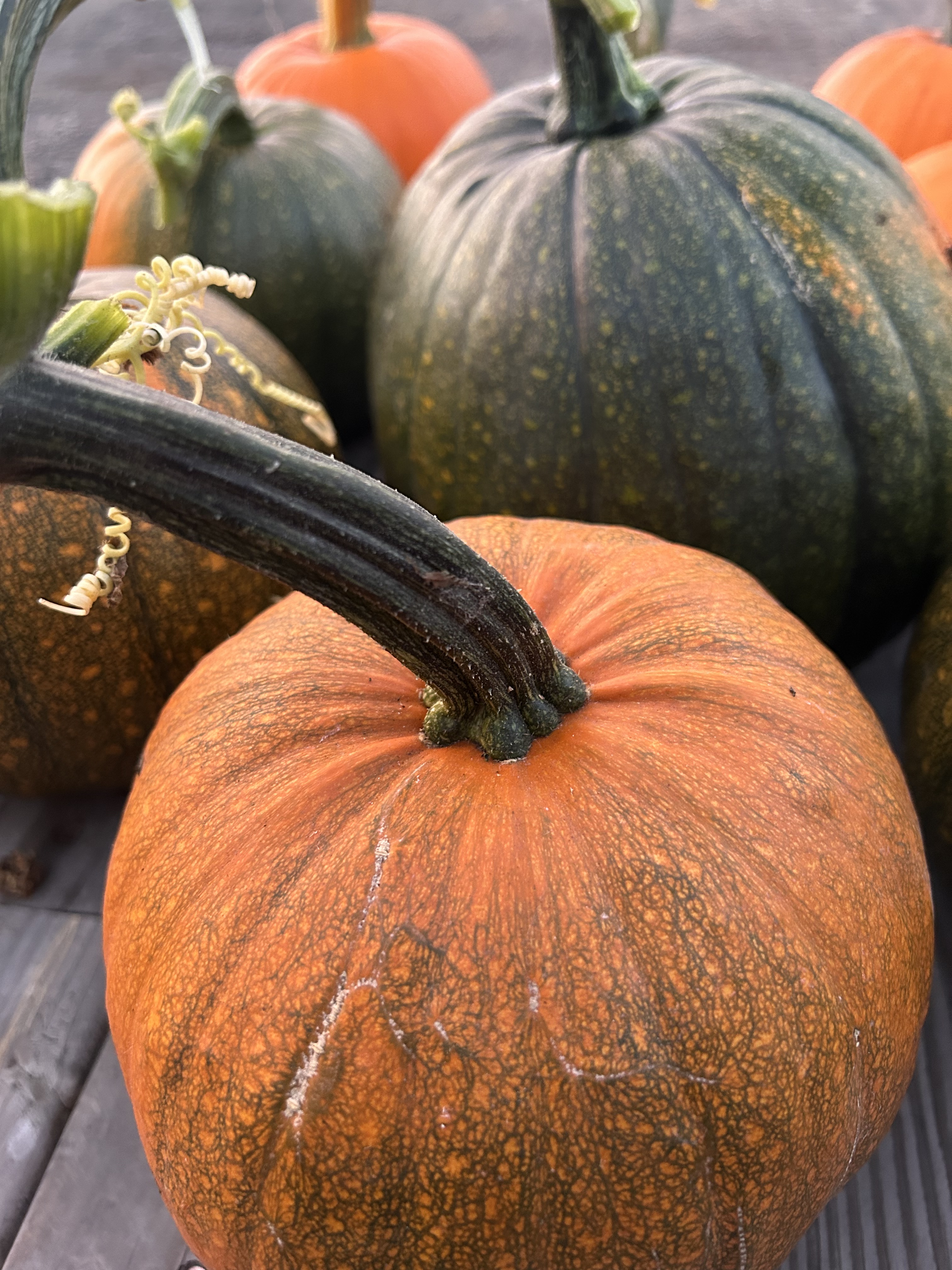
summer’s seed complete
good food? carved face? fall decor?
possibilities
possibilities by Angie Quantrell
Yakima Valley, from the garden

summer’s seed complete
good food? carved face? fall decor?
possibilities
possibilities by Angie Quantrell
Yakima Valley, from the garden
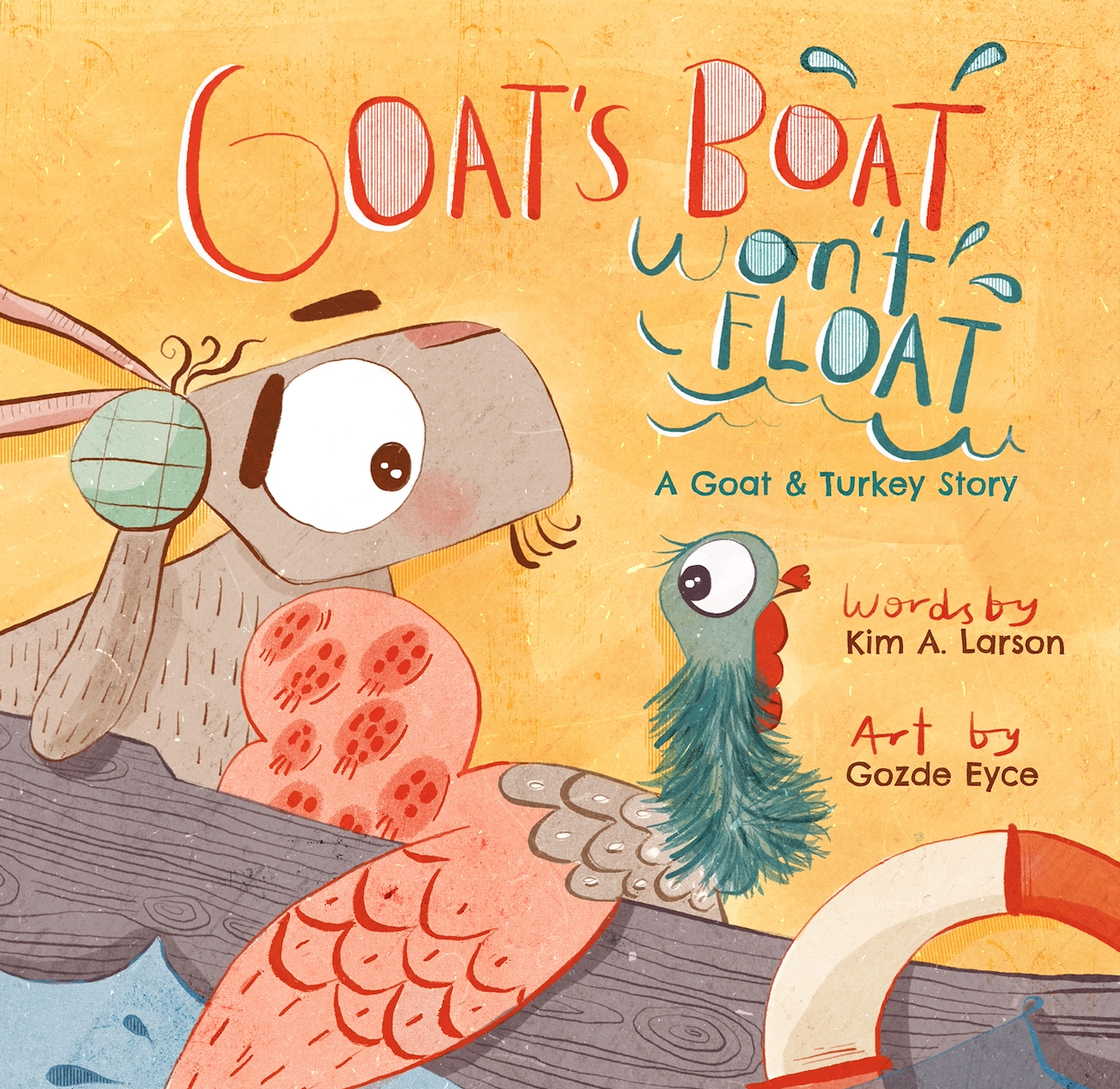
Happy book birthday, Kim! Goat’s Boat Won’t Float is finally here! I’m so excited for you! Now Goat and Turkey are out in the world and ready for readers to have a blast!
Friends, Kim is one of my fabulous critique partners. I love reading her manuscripts, and she always has wonderful insights for me when she reads my work. Be sure to read to the end to learn about a special giveaway of Kim’s book by The Little Press. LEAVE a message on this blog post for a chance to win a copy of Goat’s Boat Won’t Float!!!
But enough about me. Kim, welcome to the blog! Thanks for celebrating your book birthday with us!
Tell us about your writing journey.
I wrote as a hobby for many years (but I wrote very poorly). Then in 2010, I was laid off after a 23-year career in mortgage lending. It had always been my dream to write full-time, and with our two sons almost grown, my husband gave me his blessing. I took three creative writing classes at the same college my son attended, then I started a critique group that met in my home for many years. I published twelve short stories and poems in regional anthologies and also wrote a few picture books. However, it wasn’t until I stumbled onto a local SCBWI writing group in 2018 that I switched to writing for children exclusively. Goat’s Boat Won’t Float (The Little Press) is my debut picture book. My second is Doll Trouble (Clavis Publishing) and it will be released in 2025.
I love learning about your journey of becoming a picture book author!
What was your inspiration for Goat’s Boat Won’t Float?
My grandchildren’s fainting goats inspired the main character.
Having grown up on a farm, I’m drawn to stories with anthropomorphic animals. The story itself was inspired after watching an SCBWI webinar by Ann Ingalls in 2020 on how to write early readers. I learned that most early readers use sight words, which are common words kids recognize without sounding them out. On the kindergarten list was the word “goat,” and I knew I had my main character.
That is awesome! Early readers are so important for young readers. What perfect characters! Our neighbor raises goats (but not the fainting variety). They are such unique funny animals. 😊
What special plans do you have to celebrate the October 1 release of Goat’s Boat Won’t Float?
The day will probably be like any other day, Lol. I have my first bookstore signing on October 5, so that will make it feel more real. I’ll be featured on several blogs throughout the month, so I’m sure I’ll be interacting with friends, family, and readers on social media who will help me celebrate the entire month.
A perfect plan!

What are you working on now?
I’m working on my presentation for the schools I will visit this fall. At the same time, I’m also trying to find time to draft a new picture book idea. I highly value receiving feedback on my stories, so I’m determined to share something with my critique group every other week.
Kim also visited the blog in August and shared some of her strategies for promoting Goat’s Boat Won’t Float. You can read more here.
Do you have any tips you would give to a new picture book author or illustrator?
Never stop learning. Never give up. Never lose your joy in writing. These tips are best accomplished by staying connected with other authors—and the KidLit community is the greatest. Everyone shares their knowledge and encourages and supports one another. It’s truly a community that makes a writer’s life more fun.
This is absolutely true!
Surprise us! What else would you like to share?
Here’s a fun fact: goats don’t really faint. Certain breeds of goats have a genetic disorder called myotonia congenita. This makes their muscles seize when startled, causing them to topple over.
Animal facts are amazing!
Congratulations, Kim! I have my own copy to read and reread! Such a fun read!

Kim A. Larson grew up surrounded by every imaginable farm animal—except fainting goats. Her grandchildren introduced her to these skittish creatures, and she knew she had to write about them. Goat’s Boat Won’t Float is her debut picture book, the first in the Goat & Turkey series. Her second book, Doll Trouble, will be released in 2025 (Clavis Publishing). In 2021, Kim won the Ann Whitford Paul Award for most promising picture book manuscript. She was a #PBParty finalist in 2022 and 2023. When she’s not reading or writing, you may find Kim gardening or playing her favorite game Sequence. She and her husband live in Moorhead, Minnesota.
You can reach Kim on her website at KimALarson.com and on Facebook, Twitter/X, Instagram, and Bluesky. If you sign up for her quarterly newsletter, you’ll receive a PDF copy of her first published book of short stories and poems: Love, Laughter, and few Happily Ever Afters.
*GIVEAWAY ALERT
The Little Press is offering a copy of Goat’s Boat Won’t Float (US only) to one winner. All you have to do is leave a copy on this blog post! Ta-da!

It’s fun to go back and look at pictures to see how things have changed over time. Our garden area is constantly changing.
The garden started with three simple garden beds placed in the pasture, which used to be mostly dirt and weeds. As you can see, it was already looking good with “greens” growing.

Frequent feathered guests foraged in the pasture and wide-open garden beds. Which transitioned into even more visitors, of the furry and voracious garden eating variety. The chickens were fine with me, but when bunnies ate down all of my plants, something had to be done.
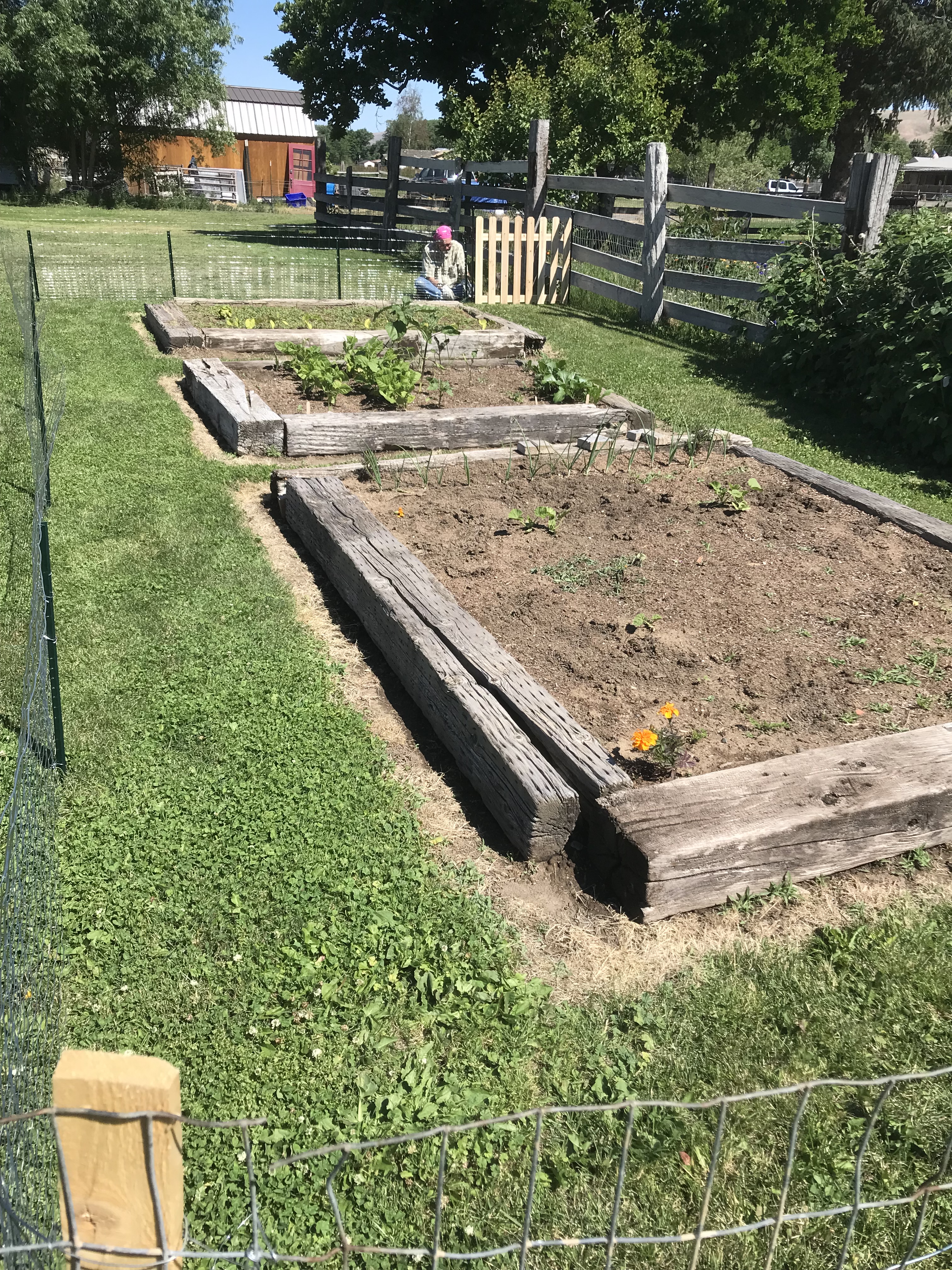
My honey put a low fence around the whole lot. The main purpose was to keep the bunnies out. It worked great! Actually, the fence is so short, most of us can easily step over it. But the bunnies were befuddled and my plants could grow free.

And then. I found one of those old metal chain-link fence gates while visiting my buddy in Seattle. One of those “free yard sale” treasures! Guaranteed to make my honey whisk his eyebrows up when I drove into the yard with my little Mazda packed to the gills. Gate included. So, we added an easy access gate. By we, I mean him. 😉

And then. I really wanted an arbor. Over that awesome gate. We had this other piece of metal junk hanging in our shaded car park area. Just an old rusted metal grate of some sort. I think it was left on the property from the previous owner. And ta-dah! Instant unique arbor! Instant for me. A bit of hard work for my honey and Taylor.
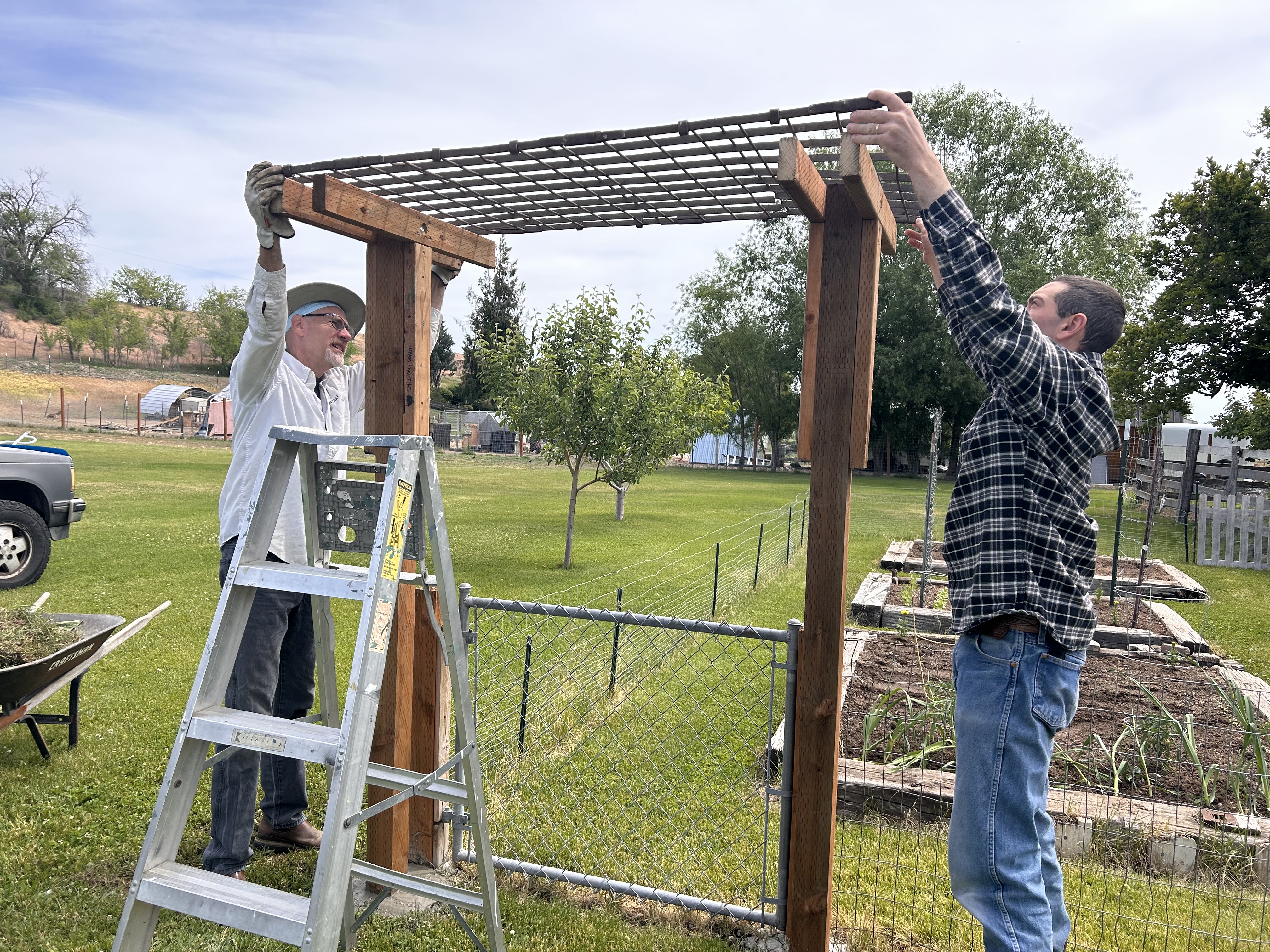
I might add how HEAVY that thing is! And I am blessed to have 2 strong guys to let me come up these wild ideas and they make it happen. Oh, and it’s rusty. One of my favorite garden colors and textures.

My honey bought me a honeysuckle plant for Mother’s Day. You can see it above just starting out. Below, you can see I’ve been working on training it up. It’s nearly reached the top!


And here we are today. I just took this picture. It smells so good! Last week I stood and watched a hummingbird feast on the fragrant blooms, for so long that I wandered off before it did. That is my kind of garden.
Ahhhh. The garden continues to grow and change.

What about you? Any big changes in your garden or yard over the years? Any cool rusty items??

79 cards, friends. 79. Not my best total after a weekend of stamping, but nothing to sneeze at either. 😉
I took up residence with my stamping buddy and her kitties over the summer and we got it done! Between the kitty help (all 3 of them), the walks, the meals, the outings, the visits, the Olympics, the rain (yes, glorious rain), I still managed to create 79 cards. My card stash (housed in those cute picture storage boxes) was getting low. Whew.
Here are the styles I worked on. Many of them are different from the top card, but have the same theme. We love to use up our “crafting stuff,” and no scrap is too small, no tidbit too uninspiring to be included for consideration.

I LOVE creating French-themed cards. One of my goals was to use up some of my French decorative paper. Check. [Hint: Even in rubber stamping, setting goals is a good thing to do!]

Another goal was to use up some tropical decorative paper. Plus, such cute pineapples!
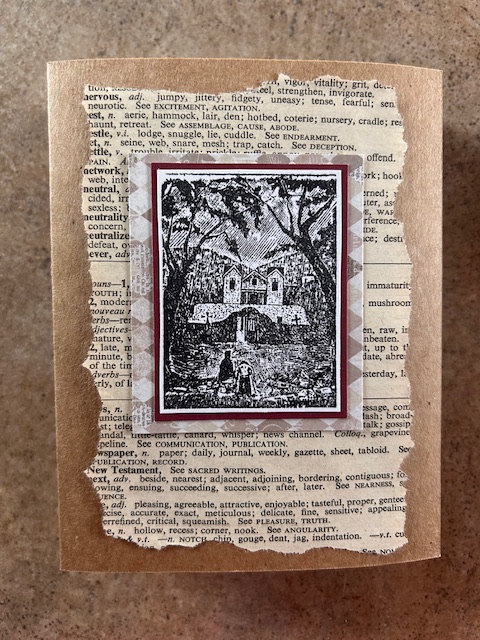
A surprise entry to the card collection took place when Alyson started using this interesting, location-specific stamp. Old thesaurus, patterned paper, solid cardstock. This stamp represents Santuario de Chimayo in New Mexico! I’ve never been there, but it looks like I should put that on the list.

This was a cute card to put together. Layers are how it works best, and you’ll notice that old thesaurus pages are one of my favorites to include. Actually, any aged pages from old books work. Though one must be careful to notice which words show up on the card.

I love these stamps! The background paper worked very well. Alas, this card was a lesson in which ink pad NOT to use! The ink never dried, so I had to carefully place scraps of paper between each card to bring them home. And then it still wouldn’t dry! I finally had to peel off the fronts, remove the backings, and re-ink the edges. Sigh. I just need to toss that ink pad. Black ink. Everywhere.

After the gloom and doom of black smeary ink, this summer card was quick, easy, and light!

A little music is good for the soul. It took a bit of time to cut out the guitars to pop on top, but the card was worth it!
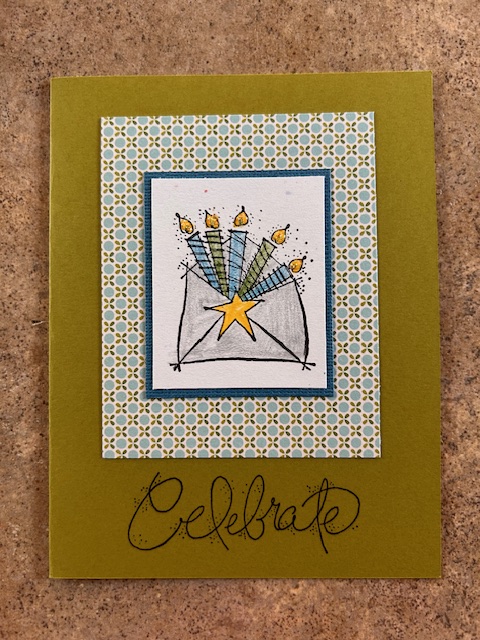
Fun stamp, fun text, fun colors! We all need something to celebrate, and this card works for so many special occasions.
I LOVE stamping! It works much better with a buddy (or two or three) so you can share supplies, ideas, thoughts, and suggestions. Of course, the mess multiplies by number of creators. LOL
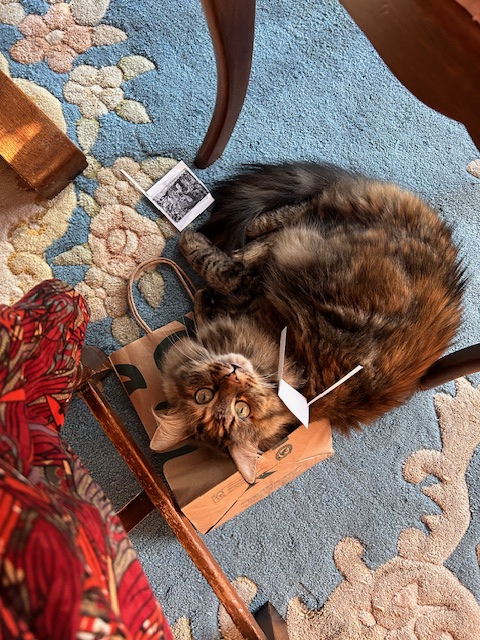
Can we count the kitties? Yes. I’ll leave you with one of our co-creators. This one loved the trash bag.

Welcome to another issue of Kevin’s Woodshop. In today’s story, we will hear how free yard sales, repurposed wood, and a little elbow grease contributed to this lovely weathered outdoor dining area.
FREE YARD SALES
Recently I visited “free yard sales” with my friend and fellow thrifter, Alyson. We love the thrill of the hunt. Free is an awesome word! My prize for the day is pictured above. Four solid metal framed wood outdoor chairs. Friends, that is what we call a SCORE. At this point in the “free yard saling,” I was cut off. No more stuff. Well. We only had her small car. Tetris in the car is the name of the game. And the limit to the thrifting.
I was so excited to haul these babies home. One of my favorite sights when I pull in the driveway after being away is to watch my honey’s face. My car is small, a Mazda four-door. BUT it works big! Like a truck. I call it my truck. I can get huge items in my little white truck. But not a gun safe. That is a hard limit. That’s a different story, but we did try.
I follow my husband’s eyes as I back around so we can unload my haul. Heh-heh. It’s almost more fun than scoring the “treasure” from yard sales or thrift shops.
He shakes his head. In wonder, I’m sure, amazed at how thrifty I am.
And proceeds to help me figure out how to reverse the process of filling my little “truck” with stuff. What. A. Guy.

REPURPOSED WOOD
We’ve been weathering our deck wood for a few years, always considering when it would be done to our satisfaction and what project required the updating of the deck so we could use the old wood.
Ta-dah! A taller patio table was needed to match the lovely free yard sale chairs. Time to rip off the deck wood.
Perfectly aged to that gray beachy tone. Some people work in clay, watercolor, textiles. My honey works in wood scraps. The older the better. The wood imperfections create challenges, sure, but the results are unique and wonderful.
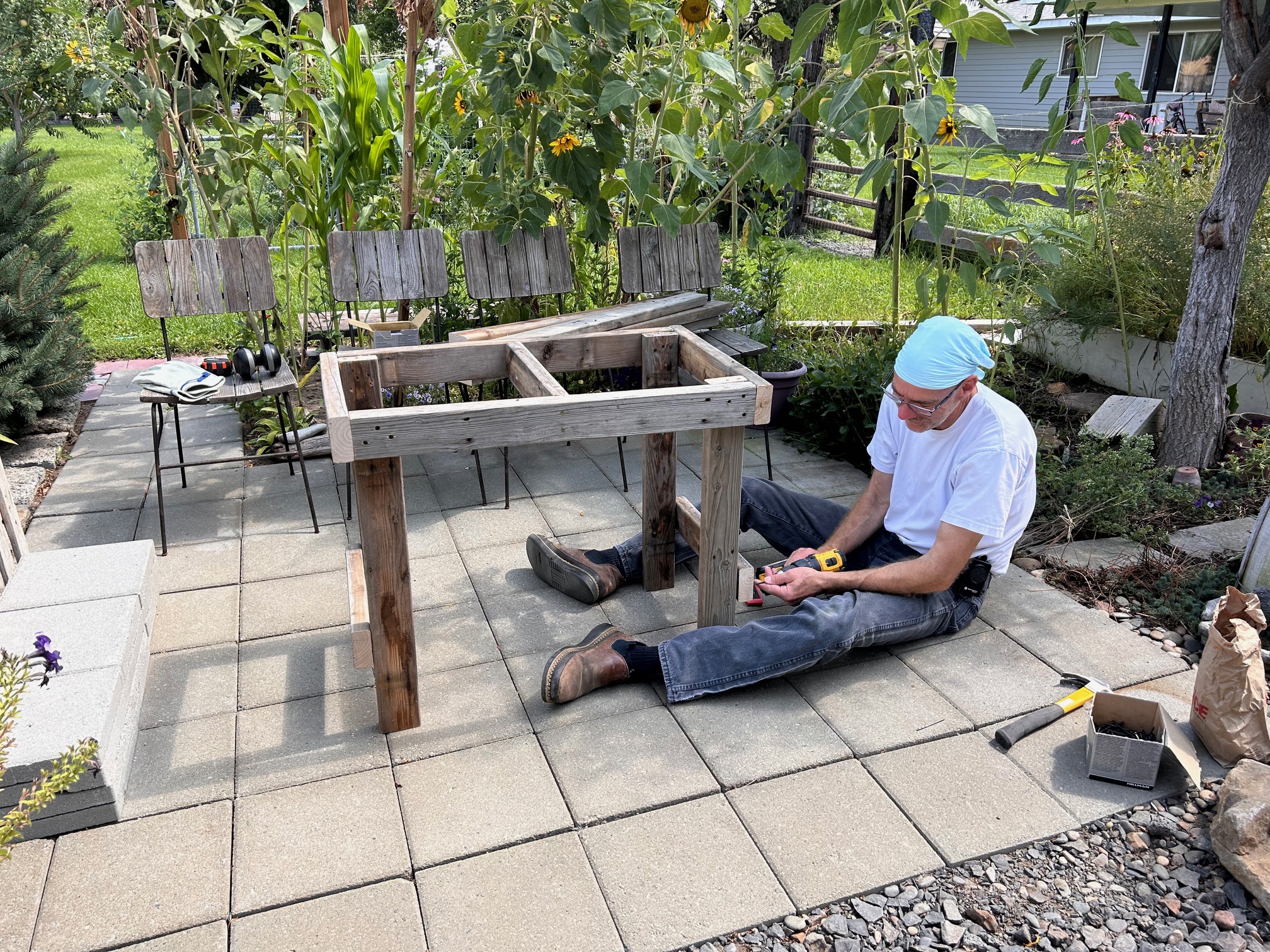
HOMEMADE TABLE
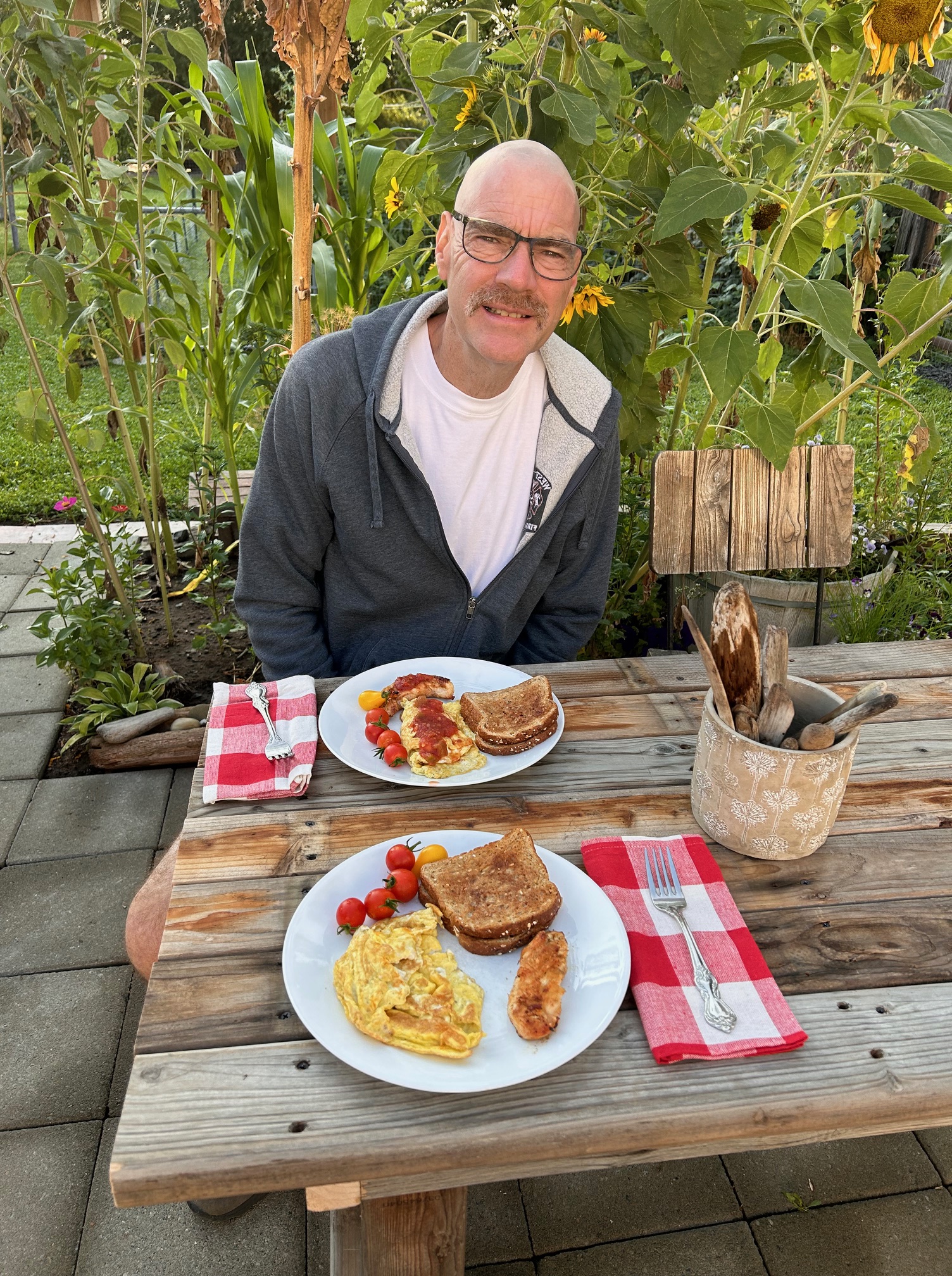
Woodworker Kev got right to it. As I mentioned, aged wood often requires ingenuity and rethinking. That was certainly true with this table project. Some pieces were warped, so the framing had to be redone. He is so good though. Just look at that beautiful table! My style for sure.
Now we can dine al fresco (as long as the weather holds). Though we have to first wipe off the sunflower shells and debris from our guest goldfinches, sparrows, and red-winged blackbirds. After that, it’s sit and chill time. Ahhhh.
And so concludes another issue of Kevin’s Woodshop. Readers, do you enjoy old wood? Free yard sales? Thrifting? Dining al fresco?
Do tell.
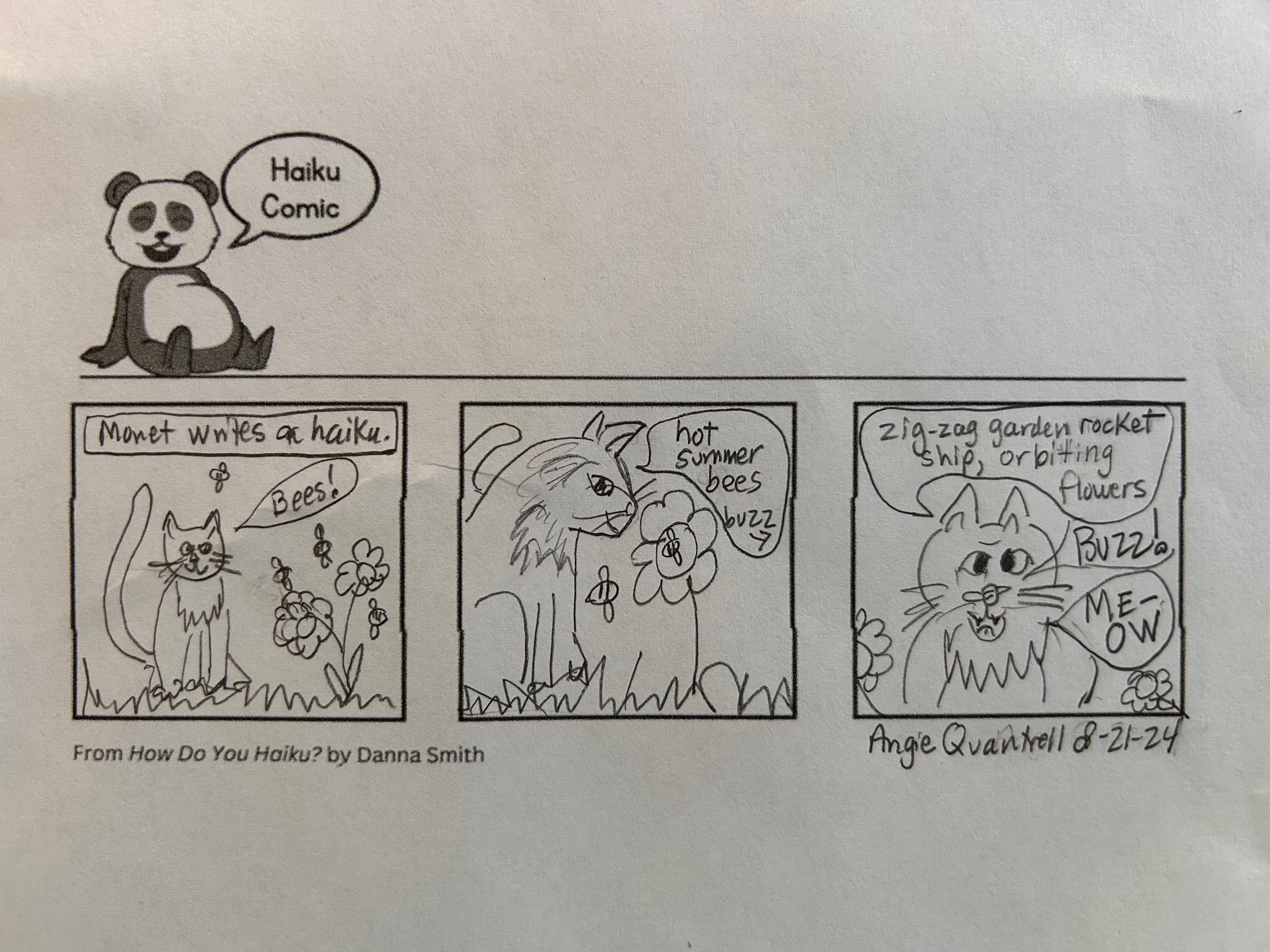
Thank you, Danna Smith, for sharing all about haiku last week in a very special blog post. You can read it here. Danna has offered a giveaway of 2 (TWO!) of her Poetry Pop Journals! Wow!

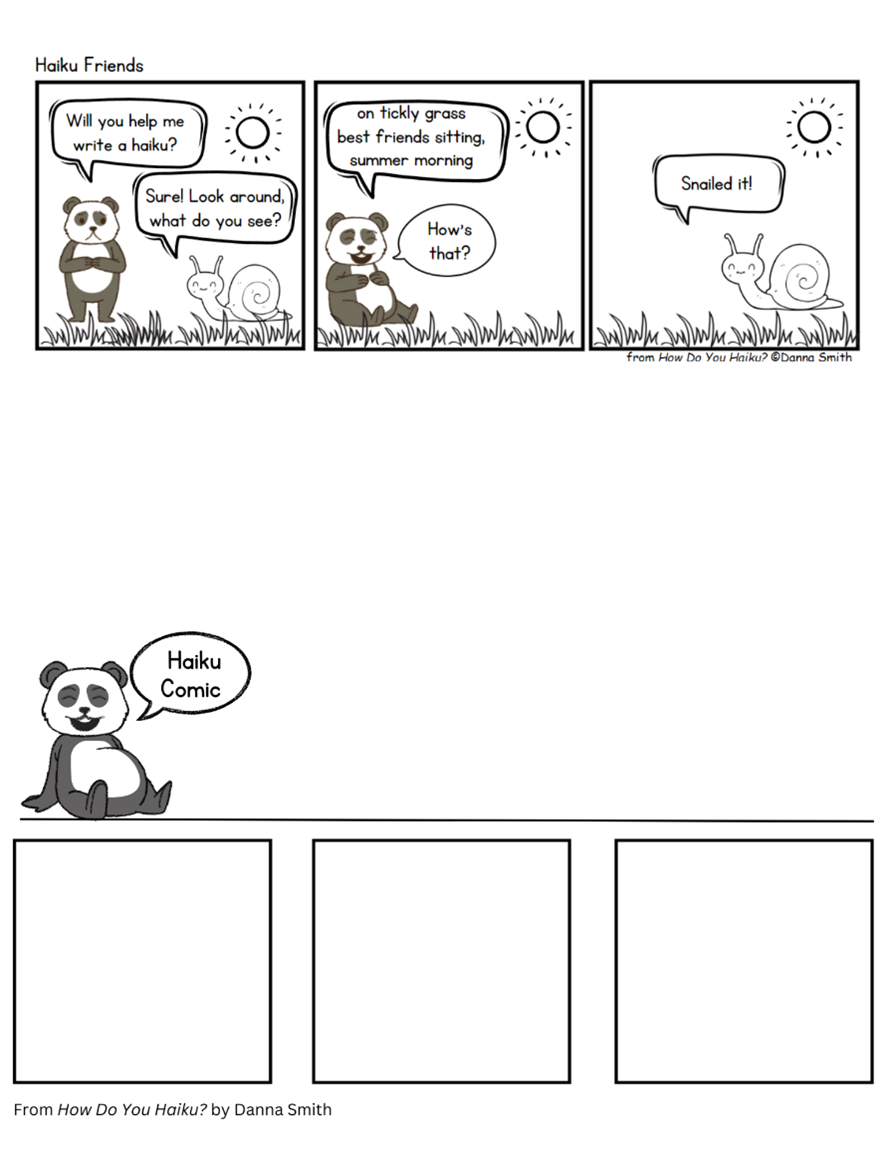
But first. I had to play. I used the template Danna shared and penned a haiku comic. Sadly, you have to use your imagination to understand the drawings, and it was much harder to print small words than it looks! This is Monet, our cat. She loves the garden and watching moving things. I assure you, she is much prettier in real life.
In case you can’t read the print, here is my haiku comic:
Monet writes a haiku.
hot summer bees buzz
zig-zag garden rocket ships
orbiting flowers
Now that was fun! We would LOVE to read your haiku! Post one in the comments or tag us with #haikumoment so we can find you!
Drum roll, please.
The winner (with assistant Monet) of the Poetry Pop journals is:

It got a little dicey after this, because then Monet wanted to play a paper game.

Alyson, come on down! You are the winner of 2 Poetry Pop journals!
Thanks, everyone, for reading and participating in the fun. And thank you, Danna, for the word play fun and inspiration!
Now, let’s all go HAIKU!


Welcome, Danna! Dear readers, Danna is here to share more about haiku! I’m so excited to learn more about haiku wiht all of you! Take it away, Danna!
I want to thank Angie for the opportunity to hop over to her blog to celebrate haiku with you!
But first, SURPRISE, it’s time for a pop quiz! (Hey, it’s okay. I promise you’ll ace it!).
Question: What can you do with haiku?
A) Two, write it and read it
B) Three, write it, read it, and share it
C) Is there more? Do tell!
Answer: C! There is so much more you, your family, and students can do with haiku. In my book, How Do You Haiku? A Step-by-Step Guide with Templates, I introduce various haiku activities and crafts for all ages.
I’ll share some ideas with you below, but before we get started, let’s talk about haiku for those who are just getting started or want a refresher.
WHAT HAIKU REALLY WANTS

Haiku means “light verse.” At its center, haiku are unrhymed three-line poems that focus on nature and are written in simple language. Follow this condensed checklist from How Do You Haiku? to make your haiku shine!
#1 Three Short lines: There are two ways of writing modern haiku. One way is to write haiku using a 5-7-5 pattern of counted syllables. That’s five syllables in the first line, seven in the second line, and five in the third line for a total of 17 syllables. That said, a haiku should take just “one breath” to read, so if counting syllables makes your haiku feel too long or “clumsy,” go ahead and write your poem with three short lines without counting syllables. In modern haiku, both styles are accepted.
#2 Imagery: Painting an image with words is essential for writing a good haiku. Imagery is a word or group of words that tap into the senses. Writing about what you can smell, hear, taste, see, or touch in nature will create strong images in your haiku.
#3 The Real Deal: Haiku is always happening around us. The trick is to pay attention and think deeply about what we see. When I say the real deal, I mean try writing from an actual experience. What you witness firsthand will give you details you couldn’t possibly imagine.
#4 Season Words: Haiku is about seasons, but the poet rarely mentions the season directly instead, they replaced the words winter, spring, summer, and fall with” kigo” (a season word). For example, when we read about tulips, we know it’s springtime without reading the word spring. Use season words whenever possible. I’ve included a template for a Saijiki (season word dictionary) below that you can download and complete to help you when writing haiku.
#5 Feeling: Haiku can make readers feel emotions like loneliness, grief, fear, or joy. The feeling is never said directly. Instead, the emotion is shown through the image the poet paints with words. Instead of writing “the sad dog,” you could write “lost puppy in a storm.” With these descriptive words, your reader can imagine the dog is cold, hungry, afraid, and, therefore, sad.
#6 Love of Nature: Haiku is a brief poem filled with compassion for nature. There is no room for hatred, violence, or cruelty.
#7 Ah! Moment: The best haiku ends in a way that surprises or enlightens your reader. The surprise makes us say, “Ah, I understand,” or “Ah, that’s funny.” The surprise comes at the end of the haiku as a subtle turn or change in the poem.
Now, as promised, here are some fun things you can do with haiku:
KUHI: POEM STONES
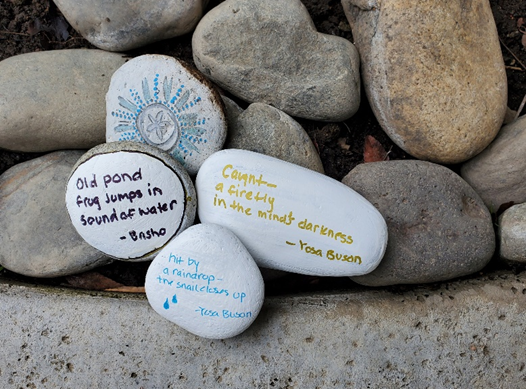
Kuhi ©Danna Smith at poetrypop.com
Carving a poem on a stone is an old Asian tradition. These stones are called kuhi (coo-hee) that are placed in gardens, parks, and temples.
Kuhi is a great writing activity for the whole family! Walk outside to find a smooth, flat stone, and try your hand at Kuhi! You can paint the rocks and add doodles or drawings if you’d like. Anything goes! Just have fun. Be sure to spray a couple of coats of clear sealing varnish when you are finished to protect your work from the outside elements. Create kuhi for your garden, for a friend, or leave one in a public park for someone to discover.
HAIKU COMICS:
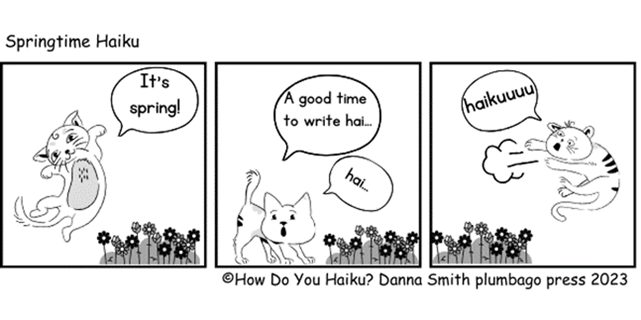
Comic strips offer a contemporary and creative way to celebrate haiku. Download this template with example and write your own haiku comic strip. Remember to use speech bubbles, thought bubbles, and sound words, like swish, pop, or splash.
DIGITAL HAIKU:
Showcase your haiku in a short video or graphic. Here’s an example of a haiku video I created in Canva, but you can use Google Slides, Word Swag, or another digital platform to make your digital haiku featuring your poem along with nature photos or videos. Post your graphics or video on your website or social media platforms to share your #haikumoments.

(Angie here. Sorry, but my blog does not allow videos. Please click the link below to go to Danna’s post on her blog to see her video. It’s super easy. Thank you!)
BONUS DOWNLOAD
In tip #4 above, we talked about season words. Every country or region has its own weather and kigo. Download this template to create a Saijiki (season dictionary) for writing your haiku! Print four templates, one for each season.
ENTER GIVEAWAY

I am giving away two paperback Poetry Pop journals to one lucky winner (one of each color)! Use these journals to keep track of your #haikumoments or write along with poetry pop’s posts and challenges. To enter, just comment on this post. Angie will randomly choose a winner on August 21, 2024. If you’d like to purchase a hardcover or paperback Poetry Pop journal, you can do so here.
Thanks again, Angie. This was a blast!

Oh, and readers, did you know Angie contributed to the book How Do You Haiku? You can find her beautiful haiku on pages 36 and 57!
Happy Writing!
Danna Smith
DANNA! This has been awesome! I can’t wait to go write haiku and play with words! Thank you so much for stopping by and sharing!
Readers, make sure to comment below to get your name in the hat for a chance to win two Poetry Pop journals! We’d love to read your #haikumoment!

a stream meanders
like the path my feet follow
where do they travel?
meander by Angie Quantrell
Kruckeberg Botanic Garden
Seattle, Washington
Join us next Wednesday, August 14, when Danna Smith, author of many haiku and rhyming works, will join us and give us tips, strategies, and ideas for writing our own haiku poems! I’m so excited! Plus, she’s giving away not one, but TWO copies of her Poetry Pop journals! Mark your calendars now.
Wednesday. August 14. Poetry Pop. Haiku. #haikumoment

 Love, Laughter, and Life