Love, Laughter, and Life

Adventures With a Book Lover


Leave a comment

Going to the Beach in Washington

Hayden, 7, at Owens Beach, Pt. Defiance, WA. The gray? Rain. Sheets of.

By Angie Quantrell @AngieQuantrell

When in Washington (the state), going to the beach may look different than going to the beach in other locations.

For instance, one may need to wear a winter hat at our beaches.
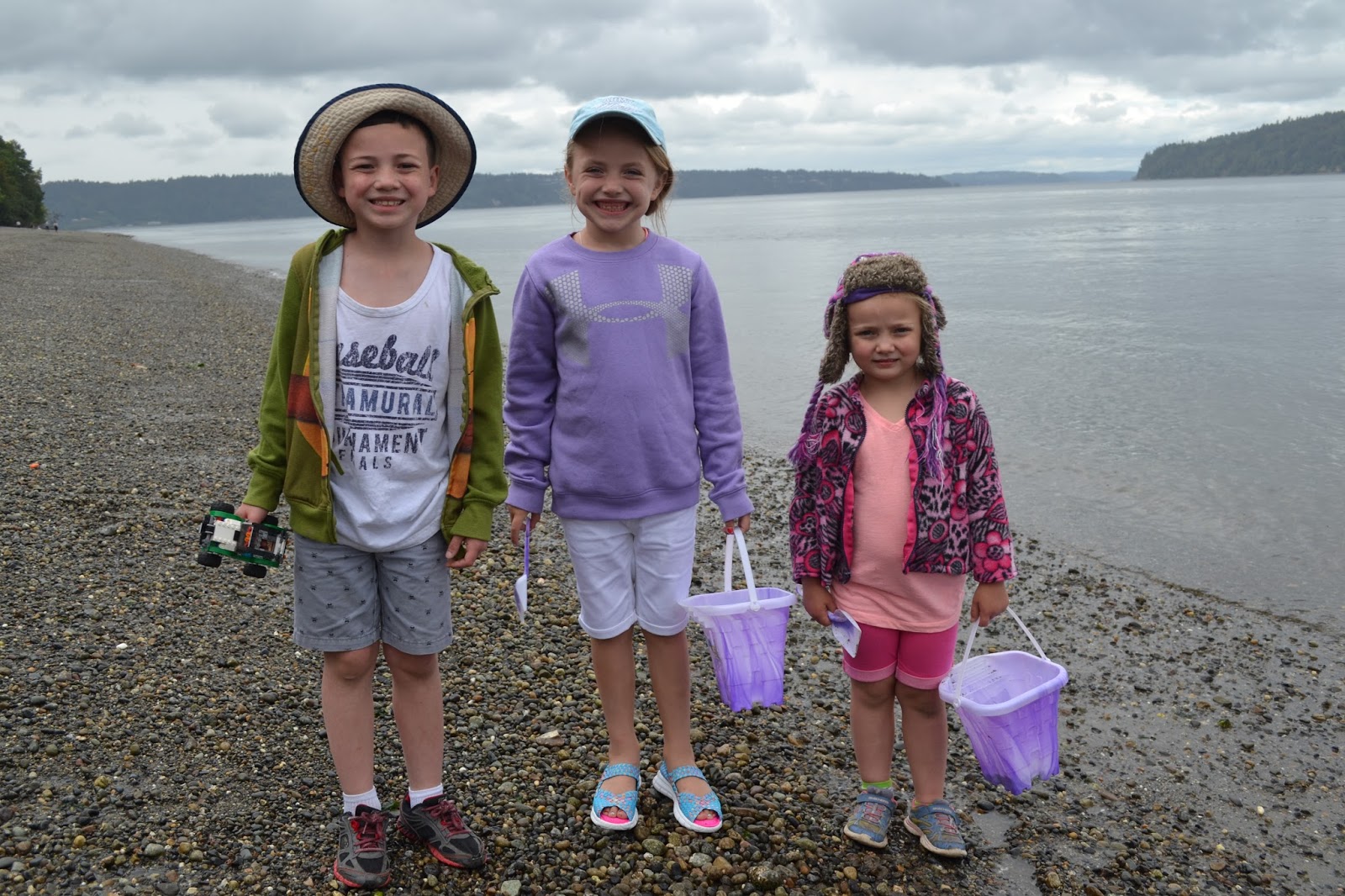
Hayden, Audrey, and Khloe sporting layers, hats (including winter), and beach tools.

Sweatshirts may be required.

You will get wet. With rain more than salt water.

Barnacles and tiny crabs abound.

Picnics are held under shelter. Or you eat wet food.


Picnics under shelter keep the food dry.

Seagulls will peck open unattended packages and ruin the cookies.

Sand will be discovered in odd and stayed-in-the-van-how-did-sand-get-there places.

You will bring too many things in order to plan for any type of weather.

Gage, 1. The same beach and same age when Hayden first went to the beach.

You will take home more than you bargained for. Some of those things will smell after a day or so.

Laundry and deep cleaning will be necessary once you get home.

He who wanted to throw himself into the water. Or eat sand. It was hands-on-Gage for one adult at all times.

Wet, cold, damp, briny kids smell just like that in the close confines of a van. Wet. Damp. Cold. Briny.

Umbrellas are often in use.
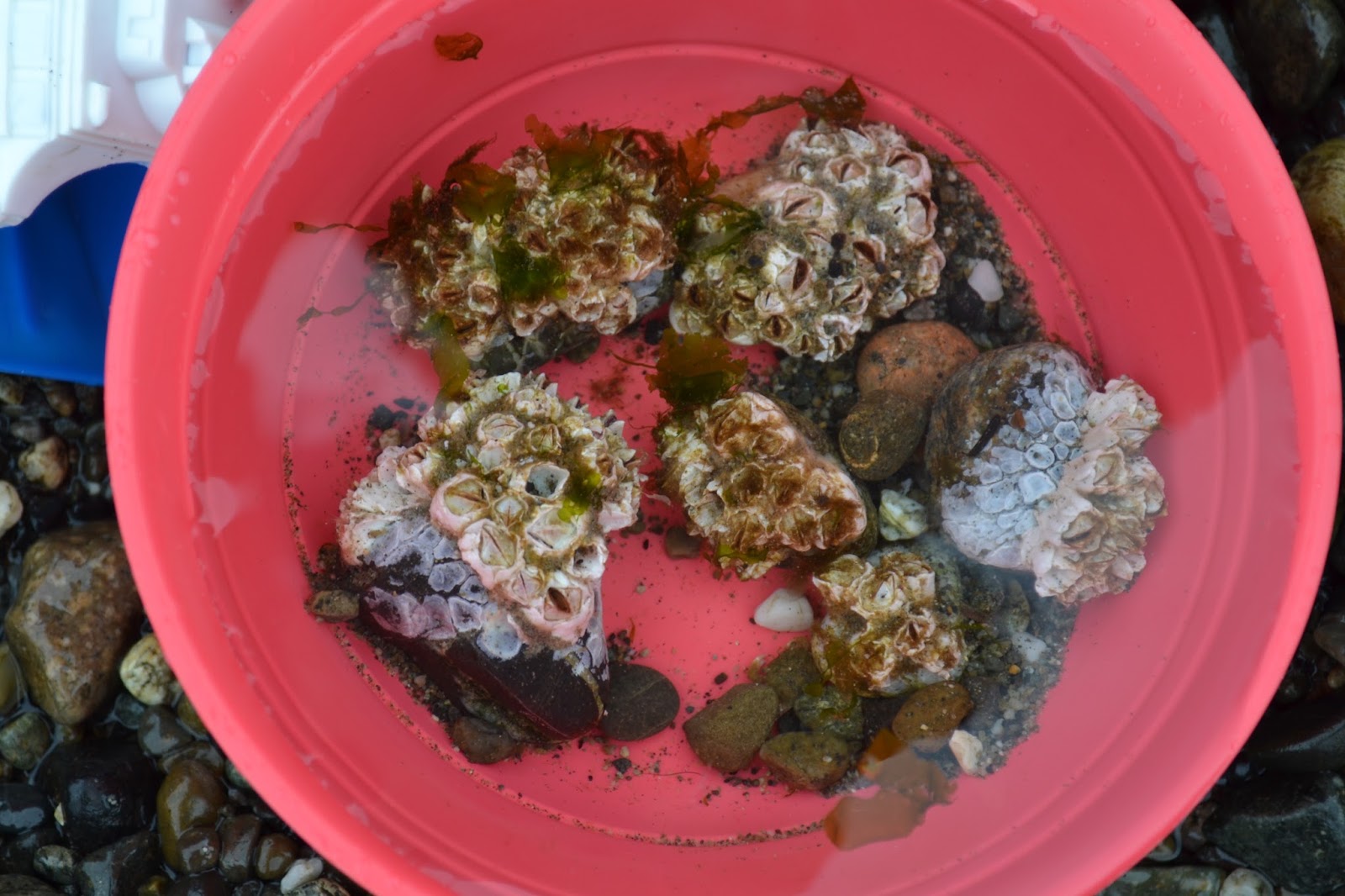
Can you see the little feathery barnacles? The openings are ones that are feeding.

One might wear a camera around the neck, but it will be covered with a plastic grocery bag that is tied tightly to keep out the rain. And sand. And stuff.

Water sandals are the perfect shoe. Waterproof and protective against stones.

Seals will wonder what you are doing. Bald eagles will soar, seagulls will annoy, ferries will pass, squirrels will steal, raccoons will beg, deer will graze.
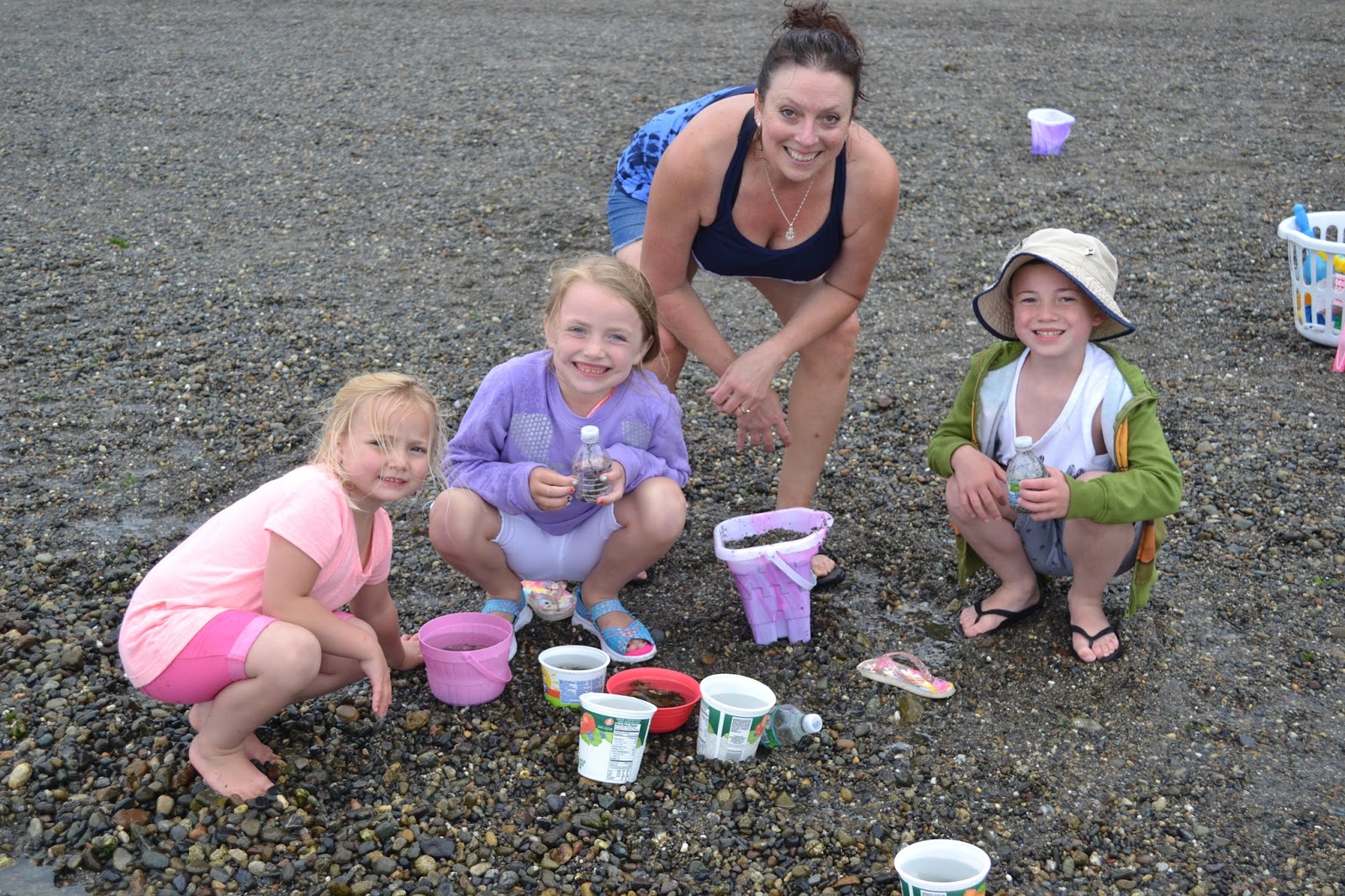
Looking at wildlife.

Those dead looking rocks with barnacle crusts are not dead. Just put them in a bowl of ocean water and see what happens.

Strangers are kind. They may even bring a new crab specimen and seaweed clump for investigation.

Our barnacle and crab observation project.

On rainy days, you will mostly have the beach to yourself.

You can still get sunburned if it’s raining and cold.

If you want to go to the beach, go. Sunny or rainy, windy or stormy, the beach is a wonderful destination. Just know that our beaches will not resemble southern beaches (most of the time). The water will not be warm. Body extremities will turn blue. Noses will run.

But it will be the beach.
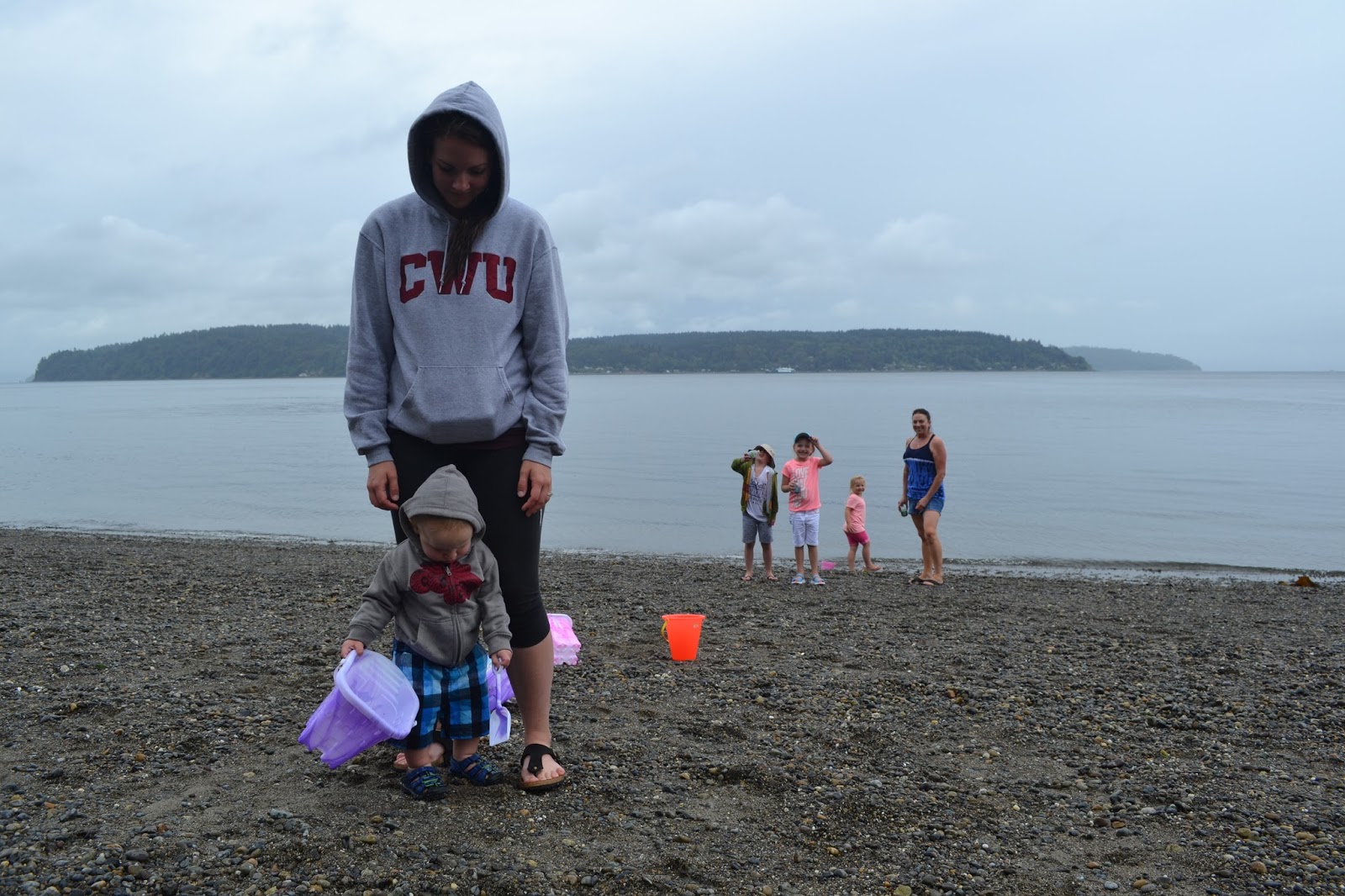
The group – minus the photographer who quickly unwrapped the camera for a quick shot.

Layer up, my dears. Or at least plan for a variety of beach weather. This is the life of Washington beaches.


4 Comments

The Threat – Can Cats Read?

The experiment – Can cats read?

By Angie Quantrell Angie Quantrell

My husband walked into the kitchen with a guilty grin on his face.

“What?”

“Nothing,” he smirked.

Seeing I wasn’t convinced, he added, “I’m just laughing at your book on CD.”

Ok. Weird. But I let it go.

After dinner, I went out to tidy up the patio and harvest strawberries. And then I saw why he was giggly.

On the chalkboard we have mounted to a wall (for the grands, of course), someone had drawn and written a message.

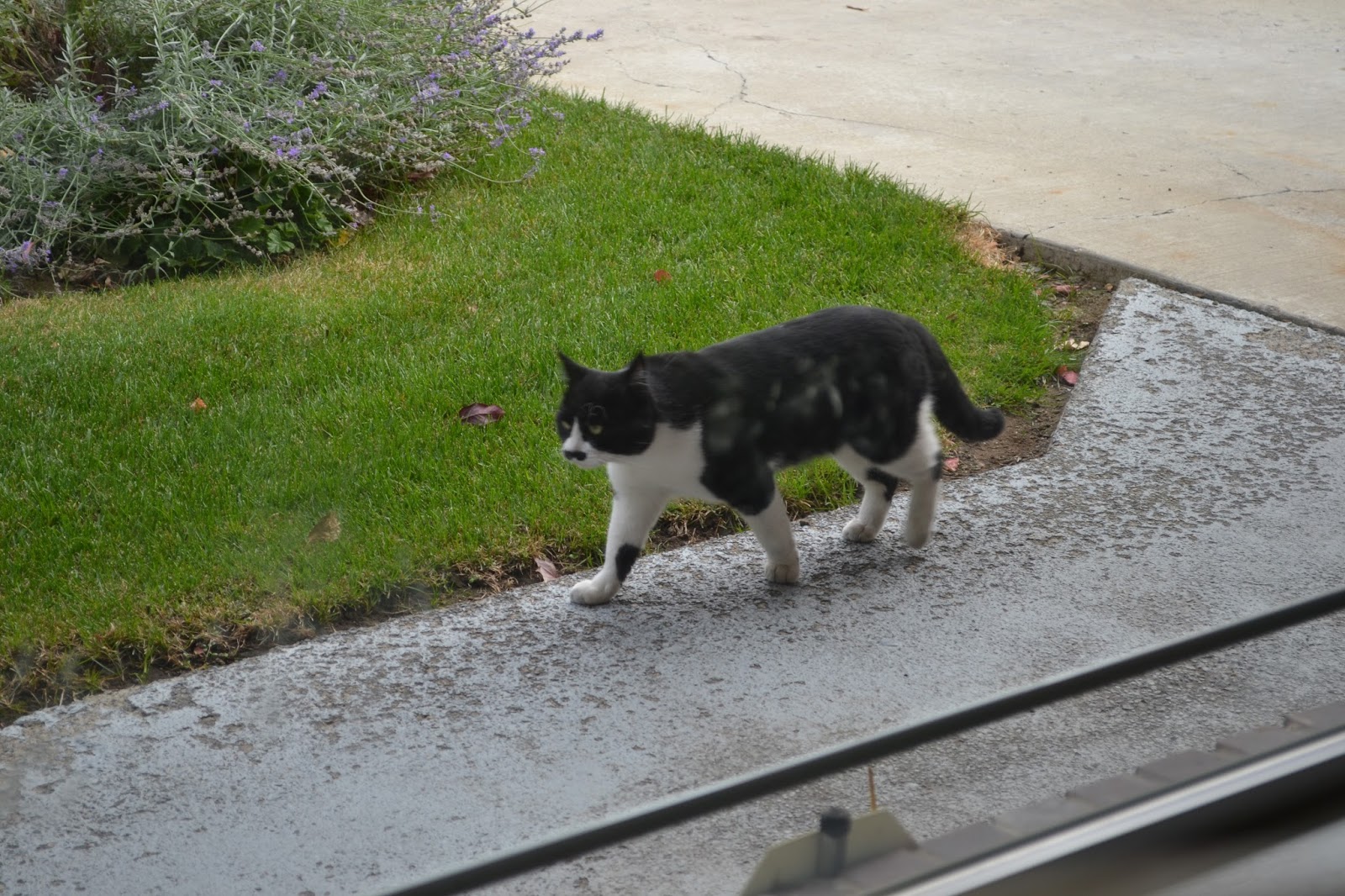
To our neighborhood bully cat, Mr. Mustache, or Stache. From our gray girls, Mabel and Monet.

Can cats read? Do they understand a threat? Is humor lost on them?

It seems my husband thinks so.

Did his threat work?

I’m sorry to say, but no, Stache has still been around spraying on our windows and chasing the girls inside.

To conclude this experiment in cat communication skills, we may assume that:

1. Cats cannot read.

2. Cats don’t care if you threaten them.

3. Cats don’t get humor.


Stache, boldly making his visit

Or maybe, cats just don’t read message boards.

Read more about Stache, the Bully, here.


Leave a comment

Happy Earth Day!

Blossoms in the spring

By Angie Quantrell @AngieQuantrell

Happy Earth Day, Earth!

What a wonderful world we live in – beautiful, fascinating, safe, peaceful, dangerous, harsh, mysterious, vast, surprising, and awe-inspiring.

I’m glad I live here.

In honor of Earth Day, I think it appropriate to give a gift.

So I will do something good for the Earth today. Maybe several somethings.


My gifts shall be:

– picking up any trash I see

– making sure I water only what needs water, not the sidewalk, gutter, or driveway

– turning off electrical devices I am not actually using

– planting something pretty (or tasty)

– giving thanks to God for such an amazing place to live

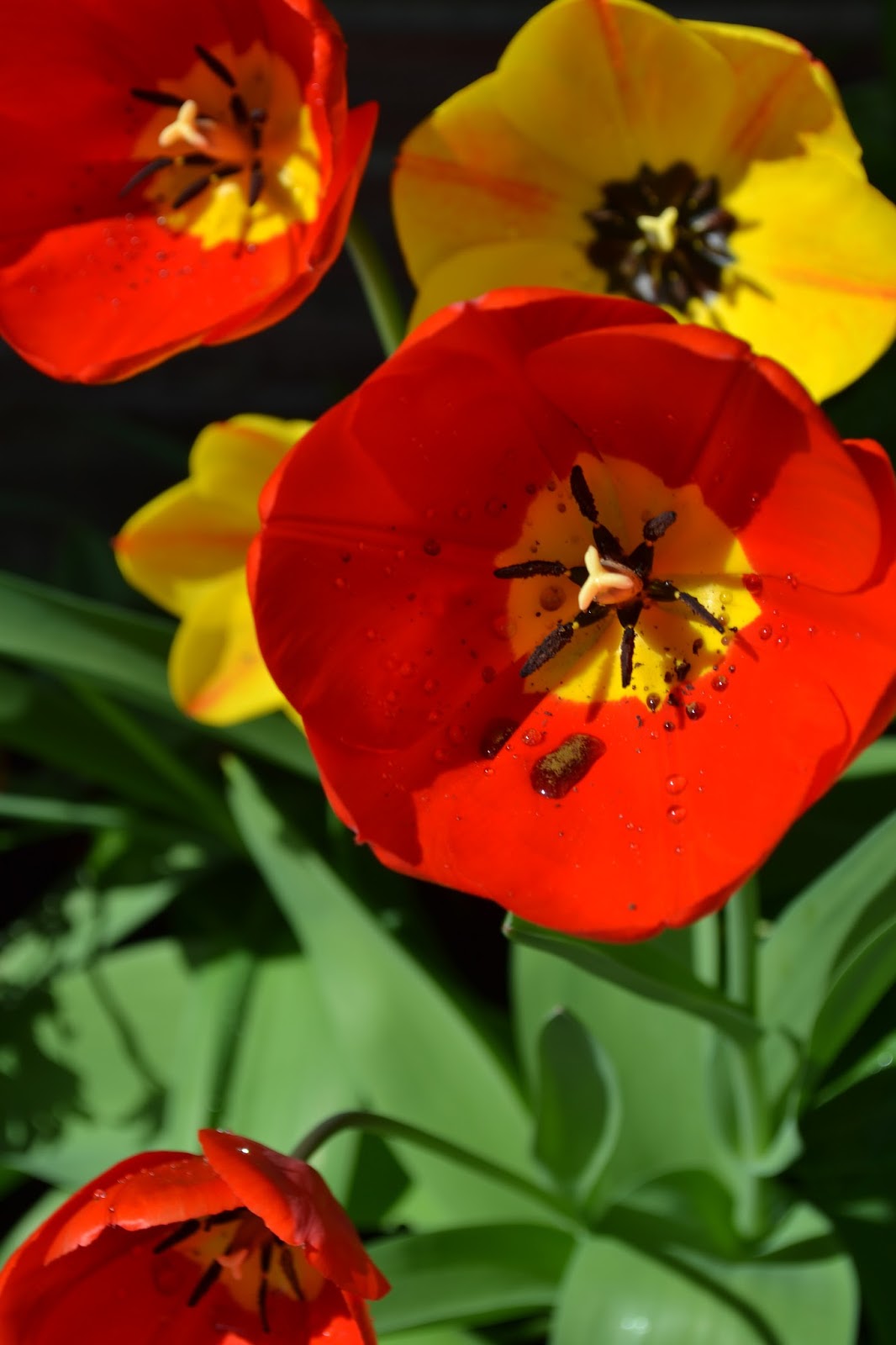
Tulips opened to catch the sun

Earth Day Haiku


Earth home, designed gift

fashioned by God’s mighty hand

habitat for us

Fruit trees in bloom

What will your gift be?


Leave a comment

The Curious Garden ~ Picture Book & KID KANDY

A garden that is curious?

By Angie Quantrell @AngieQuantrell

The Curious Garden

By Peter Brown

(Little, Brown and Company; 2009)

The Curious Garden is a picture book that was inspired by the Manhattan Highline Railway.

I’ve read articles about the Highline that tell how the lonely stretch of railway has been transformed into beautiful public gardens. But this is the first picture book I’ve found on the topic.

The Curious Garden tells the tale of Liam, a young boy who explores the empty spaces to find railways breaking down and nature taking over. Liam decides to help. Together, Liam and the garden grow and explore the empty spaces.

“The garden was especially curious about old, forgotten things.”

I love that sentence. The garden is not just a thing in this book, but one of the main characters!

The Curious Garden (doesn’t the title take on a new personna after you’ve read the above sentence?) will delight explorers and nature lovers.

KID KANDY:

Nature Walk

I walk almost every day through my neighborhood. When I walk tomorrow, I am going to look for places that nature is acting curious and spreading in unexpected places.

How about you?

Ask a parent or sibling to walk with you.

Look for:

– weeds growing in sidewalk cracks

– flowers springing up in odd spots

– old rusted things covered in grasses or vines

– moss creeping along damp, shady areas

– nature that is being mysterious and curious as it expands to new areas

What did you see?


Leave a comment

Woodpecker Wham! ~ Picture Book & KID KANDY

Nonfiction picture book that delights and informs!

By Angie Quantrell @AngieQuantrell

Woodpecker Wham!

By April Pulley Sayre

Illustrated by Steve Jenkins

(Henry Holt and Company, 2015)

Woodpecker Wham! is a delightful book told in rhyme. Readers will enjoy wonderful, bright illustrations about the life cycle and habits of woodpeckers that fill the pages of this picture book. Text written with descriptive words and words of sounds made by woodpeckers imparts information in a simple and clean way.

I loved reading the end notes that gave interesting facts and explanations about woodpecker habits. Why do woodpeckers ‘ant’? Where do woodpeckers nest? How do they secure their homes? Fascinating.

Learning about birds? Woodpecker Wham! is the perfect book to read with children.

KID KANDY:

Bird Hunt

1. Look at the illustrations of Woodpecker Wham! Remember the colors, shapes, and habits so you can use them to help you locate woodpeckers.

2. Find a pair of binoculars and put on sturdy shoes.

3. Ask a parent or older sibling to go with you.

4. Walk around your yard, neighborhood, or in a wooded area and scout for woodpeckers. You may need to listen for their calls or ‘pecking,’ check tree trunks for nesting cavities, or watch for their particular flight patterns. Once you see them, you will figure out how to easily spot them in the future.

5. Take photos with your mind! When you get home, check out the book again and see if you saw one of the featured woodpeckers. Or look in a bird identification book to find the bird you saw.

6. Draw a picture of the bird you saw and where you spotted it. If you didn’t find any, don’t give up. Draw a picture of the birds you want to find.

7. Keep looking.

Birds are amazing! I can always tell when woodpeckers (we have flickers in our neighborhood) are racing around. Both woodpeckers and jays are loud! 

Happy bird hunting.


Leave a comment

Water Is Water – Picture Book & KID KANDY

Water Is Water

By Angie Quantrell @AngieQuantrell

Water Is Water, A Book About the Water Cycle

By Miranda Paul

Illustrations by Jason Chin

(Roaring Book Press, 2015)

Water Is Water, A Book About the Water Cycle, is a beautifully illustrated picture book featuring poetic text that invites readers to live the life of water.

I discovered this book during March Madness for picture books, ReFoReMo (Read For Research Month) and fell in love. Water is the main topic, but the storyline is about children playing throughout the seasons in the different forms water takes.

Fog, rain, snow, hail, water, steam, clouds, puddles, ice. Don’t fear, this book does not read as educational but is engaging and full of rich language. Fun water facts and more about water features at the end of the book add drops of trivia about water for interested readers.

Water Is Water is the perfect book for easy reading and fun learning at home or in a classroom.

KID KANDY:

Take a Bath

Really. Take a bubble bath. Play for a bit with plastic scoops, cups, and funnels.

~ Observe the water. How does it move? What does it smell like? How does it feel? Taste a little bit from the faucet.

~ Look for different forms of water. Do you have drips falling from your hair (like rain), fog on your mirrors (steam), and puddles on the floor? You probably won’t find ice or snow, but that’s ok.

~ Hang your towel after you dry off. How does it feel? Come back the next day. How does it feel now? Where did the water go?

~ List the different forms of water you see around your house.

Water is pretty amazing, isn’t it?

What is your favorite form of water? Why?

I’d love to hear your answers.


2 Comments

Every Day Birds ~ Picture Book & KID KANDY

Beautiful, nonfiction book about birds we see each day.

By Angie Quantrell @AngieQuantrell

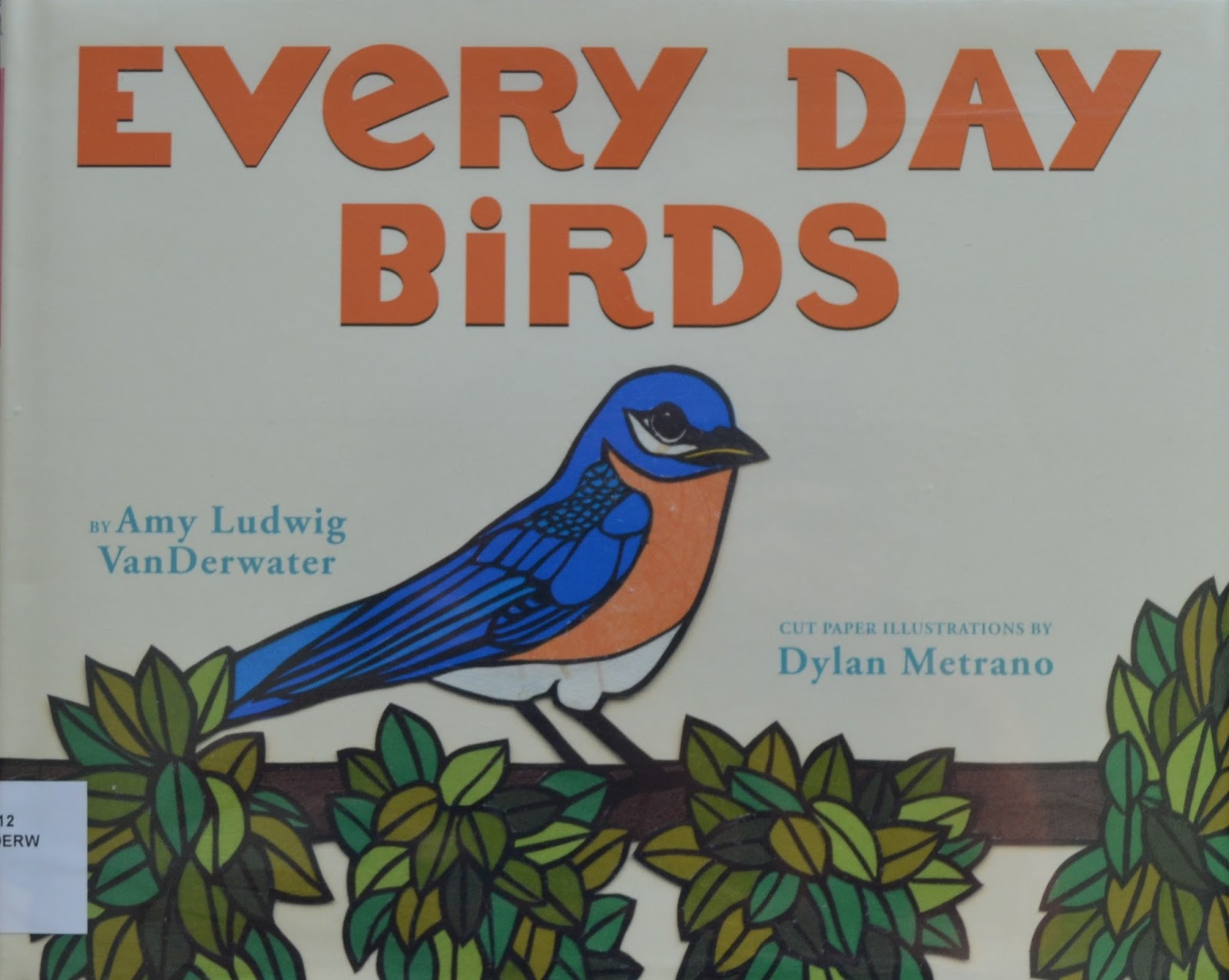
Every Day Birds

By Amy Ludwig VanDerwater

Cut Paper Illustrations by Dylan Metrano

(Orchard Books, 2016)

Birds you see each day are the stars of this book, Every Day Birds.

Simple text, colorful fonts, beautiful cut paper illustrations, and one characteristic or behavior of each featured bird make this book a keeper. Twenty common North American birds are pictured in Every Day Birds. A picture identification and additional information section is included at the end of the book.

Young readers and budding bird lovers will treasure reading Every Day Birds. Reading will be followed up by time outdoors searching for the birds who live among the book pages.

Check out this brand new book. Every Day Birds.

KID KANDY:

Bird Watching

Materials: Every Day Birds, binoculars, hat

1. Read and study the birds found in Every Day Birds.

2. Put on your hat and head outside to look for birds.

3. Use the binoculars to see details of different birds without having to get too close.

4. Compare the birds you found to the ones in the book. How many did you find? Which was your favorite?

5. Some bird enthusiasts keep a lifetime list of the birds they see. You could make your own list by using a notebook for a bird journal. Draw or list the birds you observe.

Are you having fun yet? I’d love to hear which birds you saw on your bird hunt.

Tweet, tweet!


Leave a comment

Sunflower House ~ Picture Book & KID KANDY

Sunflower House

By Eve Bunting

Illustrated by Kathryn Hewitt

(Voyager Books, 1996)

I have been reading tons of picture books lately. At least my back considers the weight of them to be tons as I haul them back and forth to the library.

Sunflower House is a colorful story about a child who plants a sunflower house with his parents. I suppose that is where the name for the book comes from, right?

Father and child first removed grass to make a large circle, leaving the middle of the circle grassy. Seeds were then planted in the soil and the waiting began.

Once the sunflowers began to grow tall, the child invited friends to play in the sunflower house. Eventually, the sunflowers grew so large and wide that the parents no longer fit inside and the flower house became a kids-only place to enjoy nature.

I love the idea of creating a fun space for children by planting sunflowers. I am considering it for this summer…if I can find a place that my husband won’t mind too much if the grass is removed and seeds upon seeds will eventually fall and resprout next spring!

KID KANDY:

Plant a Sunflower House

Materials: sunflower seeds, large area to plant, yard tools

1. Read Sunflower House. Once you see the pictures you will know how to plant one.

2. Choose a sunny location for your sunflower house. They love the sun. Remove grass to form a ring of dirt around a circle of grass. Make your ring at least 4 feet in diameter. Sunflowers get HUGE!

3. Plant seeds in the dirt. Water them and wait.

4. Once the seeds have sprouted, watch them grow. You can pull weeds but only after you make sure you are not pulling up sunflowers.

5. After the sunflowers are as tall as you, the house is ready for play. Of course, it will keep growing, especially if you have planted JUMBO sunflowers.

6. What to do inside a sunflower house?

– rest on your back and look at the sky

– watch birds that flock to eat the seeds

– listen to the bees buzzing as they pollinate the flowers

– have a picnic in the sunflower house

– invite friends over to play

– campout overnight in the sunflower house

– look for insects that live in and around the flowers

– draw your sunflowers or the sunflower house

– use a magnifying glass to look really close at the plants and animals

– take photos of your house


Isn’t that a fun project? What will you grow next summer?

Thanks for reading!


Leave a comment

The Curious Nature Guide

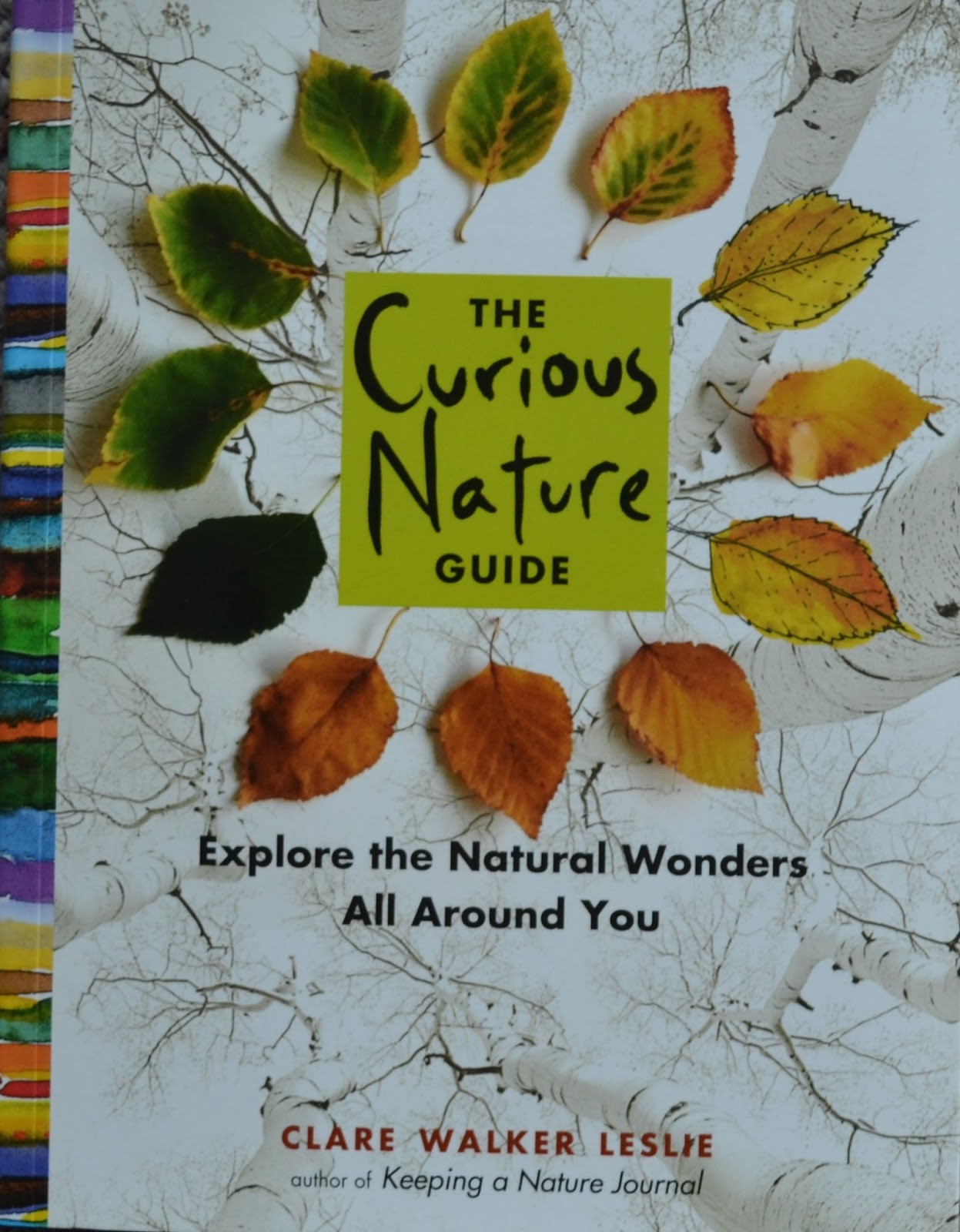
The Curious Nature Guide, Explore the Natural Wonders All Around You

Written and illustrated by Clare Walker Leslie

(Storey Publishing, 2015)

I first noticed the cover of this book while on vacation with some girlfriends in Coupeville, Washington. Hidden amidst a crowded display of books, toys, and souvenirs, the cover popped out and caught my attention. I wanted that book. But I resisted.

Fast forward to post-Christmas gift card shopping. As I perused my local Indie bookstore, Inklings, guess which book again popped out and grabbed my attention? Yes. The same book. And it was on a display of favs and book suggestions by staff.

I did not resist.

The Curious Nature Guide is a beautifully illustrated guide book written for children, teens, families, and others who love exploring the outdoors. I fell in love with this colorful edition.

I enjoyed this book so much, I used it as a reward. At the end of the day I would carefully read each page and inhale every photo, drawing, and illustration. Reading this book was almost as good as being outside.

While vocabulary will be difficult for young readers, they will love hearing it read aloud. The Curious Nature Guide contains nature information, suggestions of things to look for and do, maps, charts, plant labels, and more.

NO. It is not overwhelmingly encyclopedic.

The Curious Nature Guide is a nature journal filled with inspiration of both the exploring type and the creative sort. I want to go out and investigate the outdoors AND sit down with my art supplies and recreate what I find AND grab the camera to capture my nature.

Two thumbs up for The Curious Nature Guide, Explore the Nature Wonders All Around You.

Happy exploring!

I’d love to hear what nature exploring you like to do.


4 Comments

Adding Text to Images

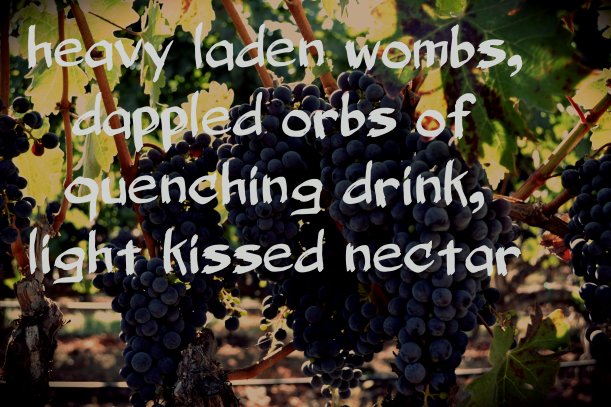
grapes Haiku

I’ve been playing this morning.

For quite awhile, I’ve been trying to figure out how to add text to my images, as I’ve seen so many other talented photographers and writers do. Using my computer programs has given me a total of zero successful moments.

But thanks to Sue Vincent and her post “Looking good -10 simple tips for adding images,” I have now found an online program that helps me add text to my images. Thank you, Sue!

I chose an image I took in the Napa Valley. Of course, these grapes could have been growing in my own Yakima Valley, as our vineyards are abundantly heavy with weighty vines each fall. But the Napa picture was right on the computer, waiting for some attention.

I used pixlr.com/express/ as my first foray into visual + words experiment. This program is quite simple to use and the options are wide and varied. Best of all? FREE.

Oh, I do believe this is just the beginning of playtime for moi.